

Quick answer
Is Atacama Desert worth visiting? Yes, if you seek otherworldly landscapes and can manage high altitude—the region sits between 2,400 and 4,500 meters above sea level. Valle de la Luna, salt flats, geysers, and flamingo-filled lagoons deliver scenery found nowhere else on the planet. The experience requires acclimatization time and tolerance for temperature swings from freezing pre-dawn to intense midday sun. Most visitors spend three to four days exploring from San Pedro de Atacama.
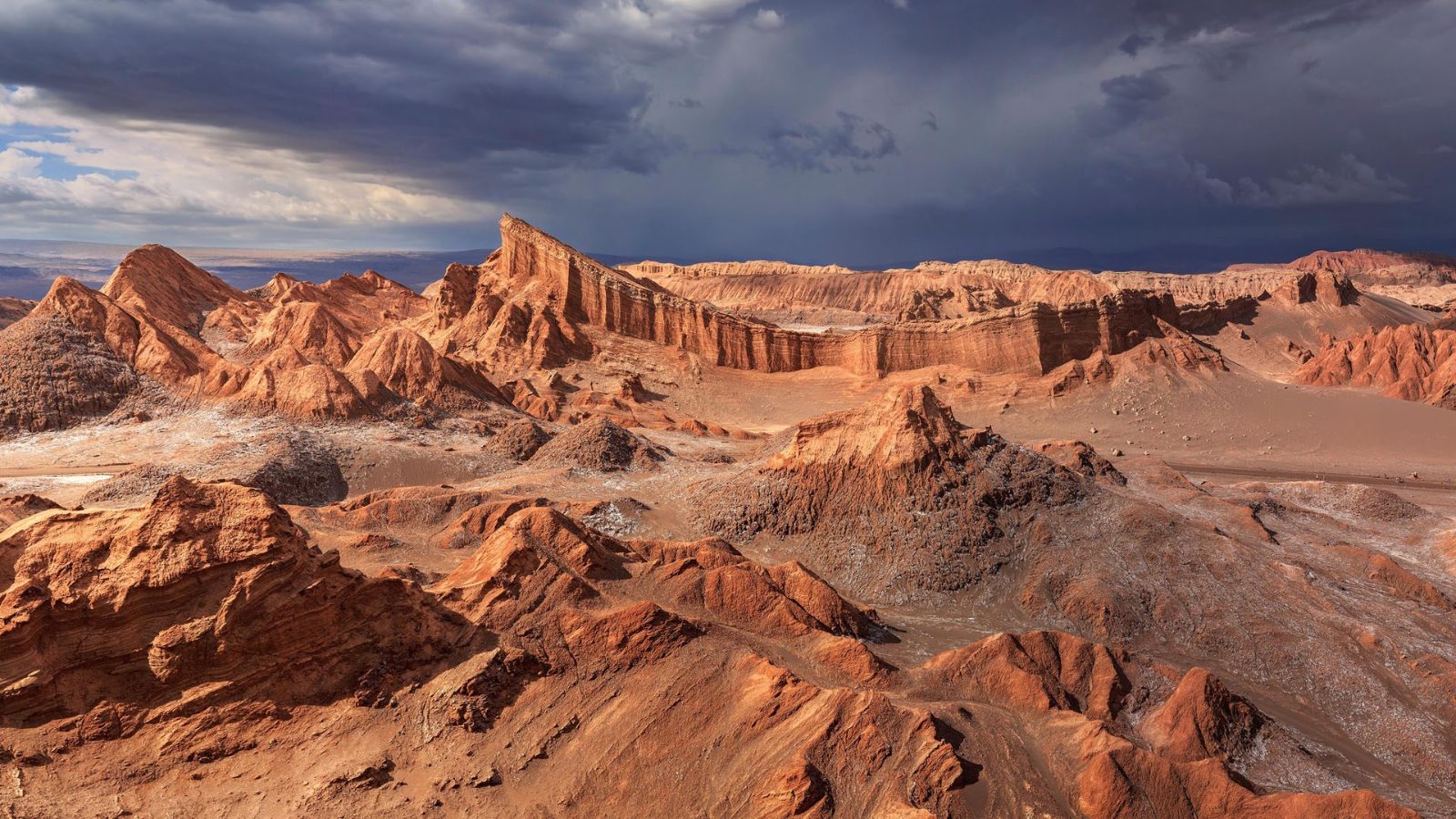
The Atacama receives less than one millimeter of rain per year in some zones, making it the driest non-polar desert on Earth. This hyper-aridity has sculpted terrain that NASA uses to test Mars rover equipment—salt crusts crack into geometric patterns, wind-carved rock formations tower over basins of rust-colored sand, and mineral deposits paint valley floors in copper, sulfur-yellow, and bone-white. Visiting the Atacama Desert means confronting altitude before beauty. San Pedro de Atacama, the base town for most travelers, sits at 2,438 meters. Day trips climb higher—El Tatio geysers erupt at 4,320 meters in the pre-dawn cold, and highland lagoons reach 4,500 meters. First-day headaches and shortness of breath are common. Guides recommend arriving a day early, drinking mate de coca, and avoiding alcohol until acclimatized. The effort pays off when you stand on salt flats that stretch to volcanic horizons, or watch Andean flamingos wade through alkaline lagoons that shift from turquoise to pink depending on the hour. The desert's extremes extend beyond elevation. January brings summer heat that can hit 30°C by noon, while winter June nights drop below freezing. Sunrise excursions to geysers or Valle de la Luna require layering thermal base, fleece, and windproof shell—you'll peel off half your clothing by 10 a.m. Sun exposure at altitude burns skin in minutes without protection. These aren't obstacles that ruin a trip; they're conditions that demand preparation. Pack a headlamp for pre-dawn departures, a water bottle with at least two-liter capacity, and factor in rest time between high-altitude excursions. Whether the Atacama justifies its cost and effort depends on how you respond to stark, mineral beauty. This isn't a destination for lush scenery or cultural immersion—San Pedro offers limited dining and nightlife, and the draw is entirely landscape. If photographs of salt polygons and dormant volcanoes pull you toward a screen, the real-scale versions deliver. If you prefer forests, beaches, or cities, the Atacama's austerity may feel monotonous. The desert rewards visitors who accept its terms: thin air, temperature extremes, and geology as the main event.
“The Atacama receives less than one millimeter of rain per year in some zones, making it the driest non-polar desert on Earth.”
When Is the Best Time to Visit and Is Atacama Desert Worth Visiting?
The optimal time to visit the Atacama Desert is during the shoulder seasons of April to June or September to November. These months provide moderate temperatures and clearer skies for stargazing and desert excursions.
Spring and Autumn (Apr–Jun, Sep–Nov)
ModerateMild days, cold nights; 15°C–22°C
Ideal conditions for trekking and evening astronomy activities.
Summer (Dec–Mar)
HighWarm days, cool nights; 20°C–25°C
Expect potential rainfall and cloud cover during the Altiplanic winter.
Winter (Jul–Aug)
ModerateCool days, freezing nights; 10°C–18°C
Clear skies are consistent, though overnight temperatures often drop below zero.
Daily arrival window
Low—
Plan your arrival between 09:00–11:00 to avoid mid-day heat and peak afternoon tourist crowds for a more tranquil experience.
Verdict: The best slot for a visit is between April and June or September and November, specifically arriving between 09:00–11:00 to maximize comfort.
Opening Hours for Those Determining Is Atacama Desert Worth Visiting
Valle de la Luna remains open daily throughout the week. Visitors should prioritize the 09:00–11:00 arrival window to manage exposure to heat and avoid peak afternoon crowds.
| Monday | 09:00–17:00 | |
|---|---|---|
| Tuesday | 09:00–17:00 | |
| Wednesday | 09:00–17:00 | |
| Thursday | 09:00–17:00 | |
| Friday | 09:00–17:00 | |
| Saturday | 09:00–17:00 | |
| Sunday | 09:00–17:00 |
Key Geological Sights When Considering Is Atacama Desert Worth Visiting
The Valle de la Luna features distinct geological formations shaped by centuries of wind and water erosion. Exploring these specific zones helps clarify the unique landscape character of the Atacama region.
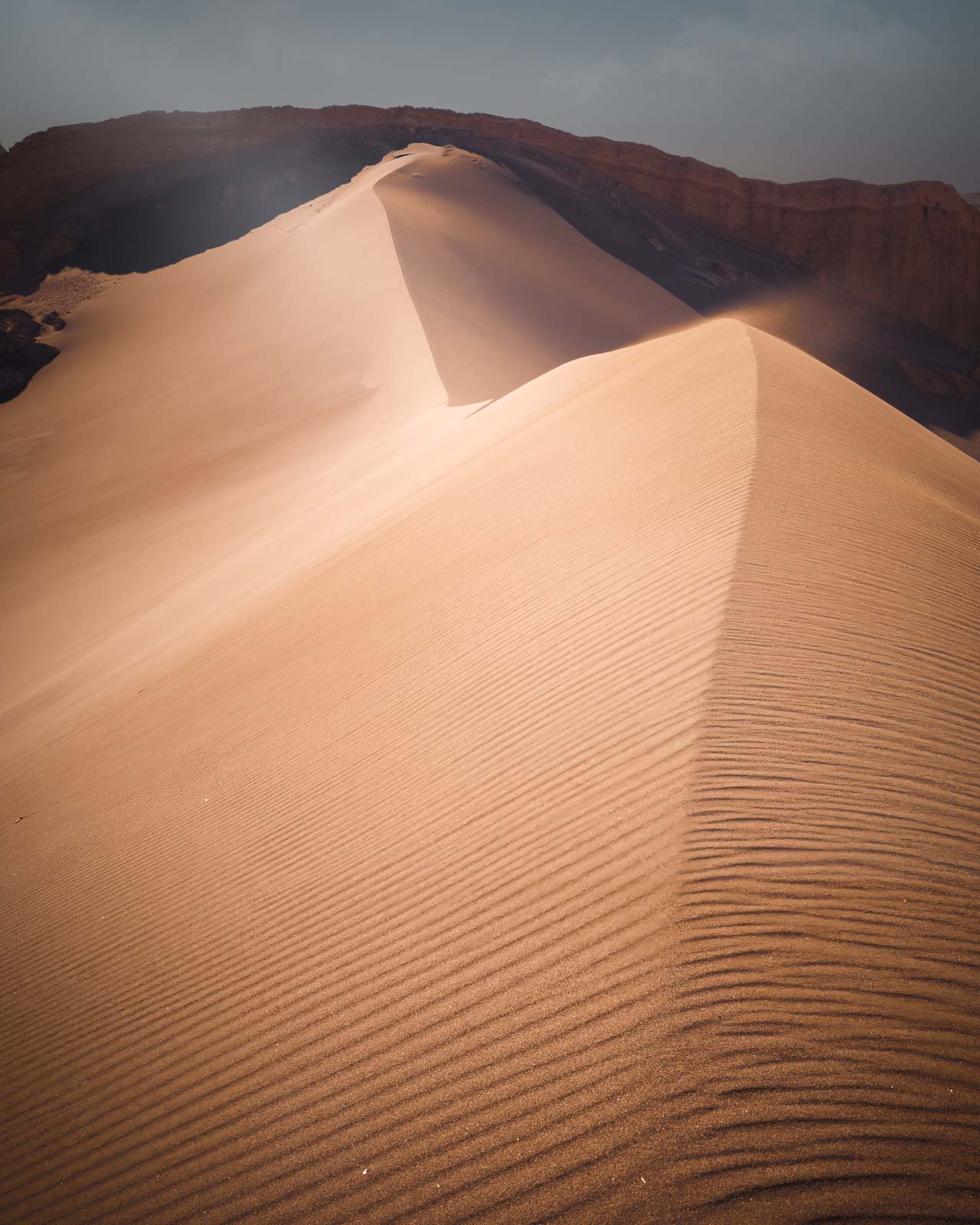
Duna Mayor
A large, sand-covered ridge providing an elevated perspective of the surrounding salt-crusted basin.
Walk to the summit ridge for wide-angle views of the valley.
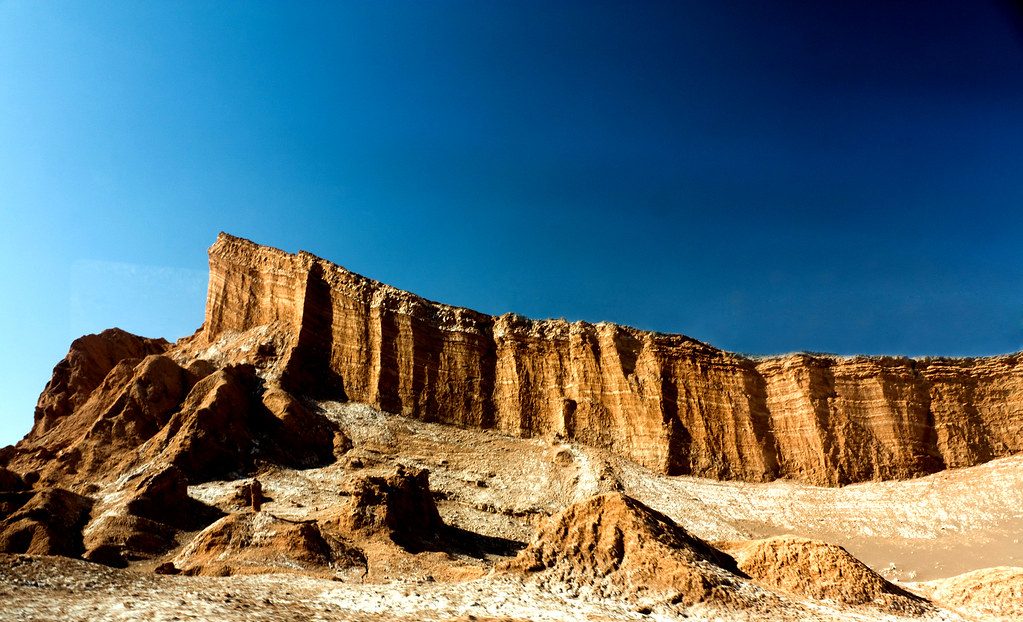
Anfiteatro
A natural stone formation resembling a circular theater carved into the rugged canyon walls.
Visit the base of the rock face to observe sedimentary layering.
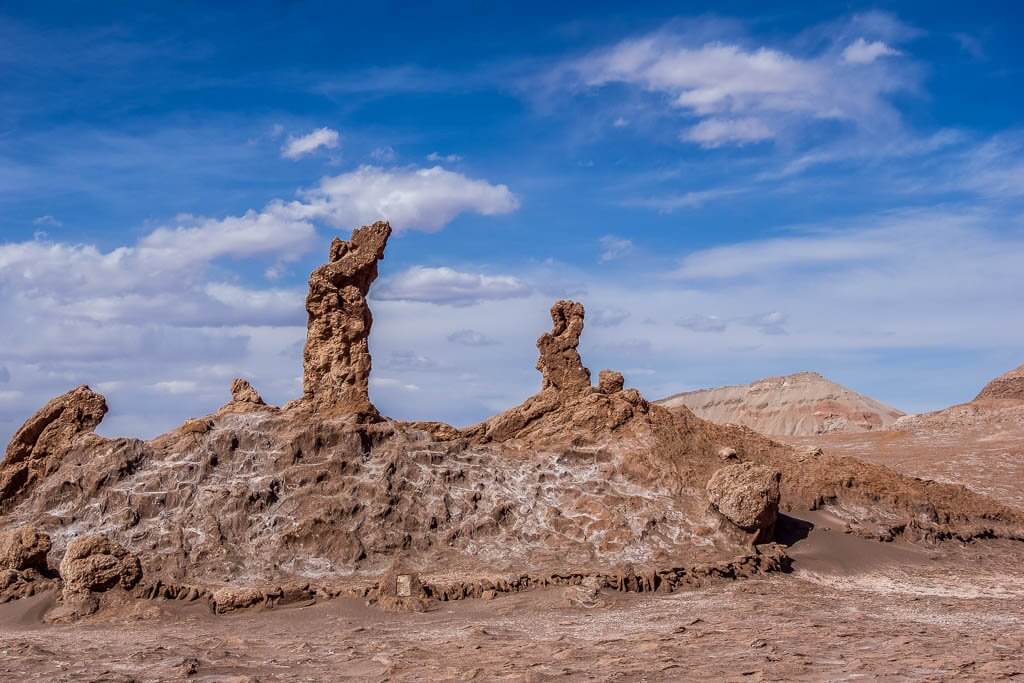
Tres Marias
A group of naturally occurring salt and clay sculptures formed by extreme weathering.
Observe from the designated path to avoid damaging the fragile structures.
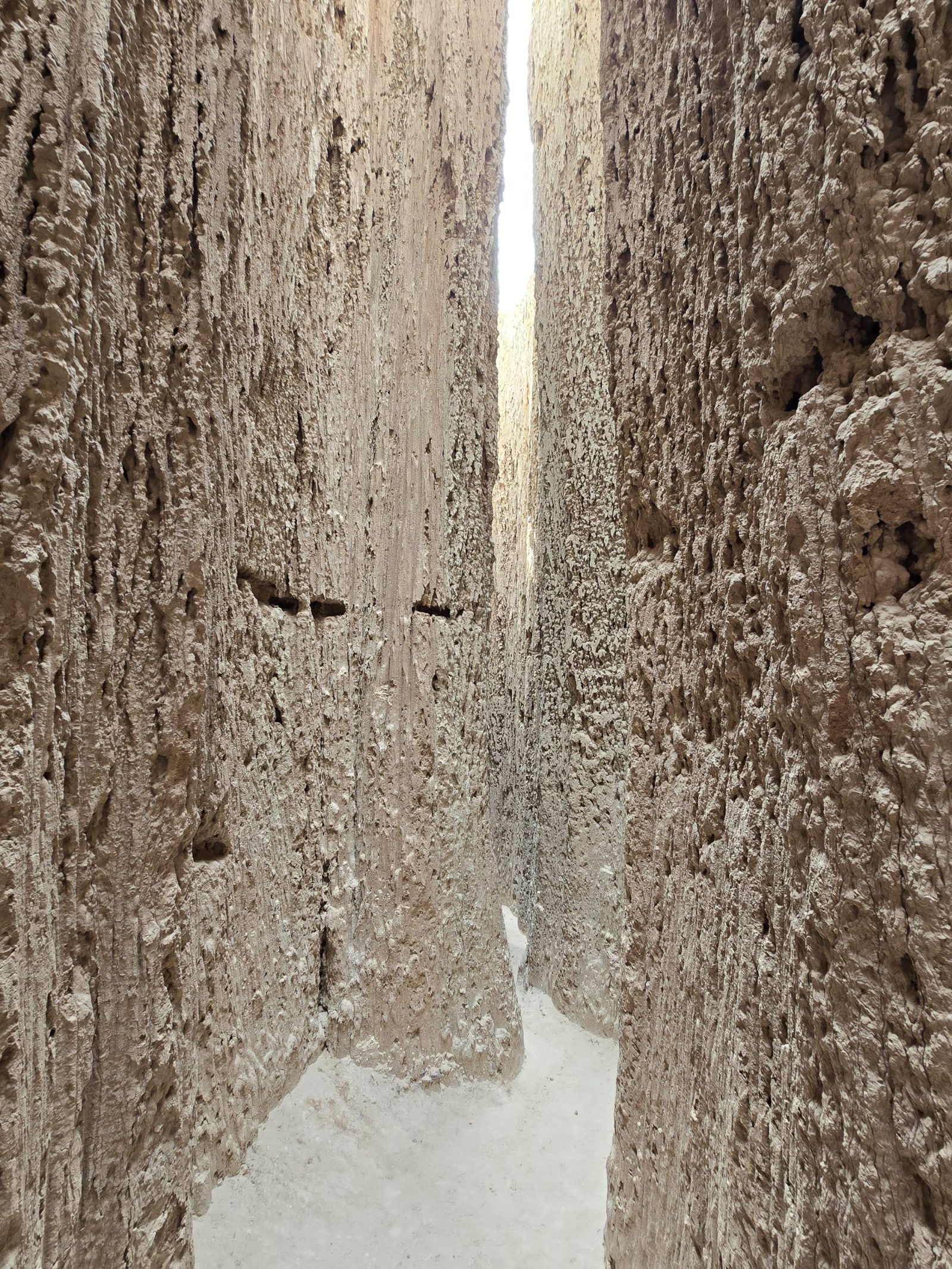
Canyon of the Moon
A narrow, winding passage characterized by salt-encrusted walls and steep vertical drops.
Navigate through the corridor during the morning to see light reflection.
Logistics and Access: Is Atacama Desert Worth Visiting Based on Travel?
The Atacama Desert is located in northern Chile, with San Pedro de Atacama serving as the primary hub for travelers. Most visitors arrive via a flight to El Loa Airport (CJC) in Calama followed by a shuttle or car transfer to the town.
Flight to El Loa Airport (CJC) from Santiago
Public bus from Calama to San Pedro de Atacama
Route 23 from Calama to San Pedro de Atacama
Private transfer from Calama airport
Essential Preparation Before Deciding Is Atacama Desert Worth Visiting
The high-altitude desert demands specific gear and advance planning to stay safe and comfortable.
-
Book your Valle de la Luna entry — Secure your 10,800 CLP ticket and confirm your visit date.
-
Pack high-SPF sunscreen and a wide-brimmed hat — UV radiation intensifies at 2,400 meters elevation with minimal cloud cover.
-
Bring layered clothing for temperature swings — Daytime heat exceeds 30°C while nights drop near freezing.
-
Carry 3+ liters of water per person — Arid conditions and altitude accelerate dehydration during outdoor exploration.
-
Include altitude sickness medication if sensitive — San Pedro sits at 2,400 meters; acclimatize for 24 hours before strenuous hikes.
-
Confirm your tour operator's insurance coverage — Remote desert locations require verified emergency evacuation protocols.
Check availability
Common questions: Is Atacama Desert worth visiting?
Everything you need to know about is atacama desert worth visiting