2 hr 30 min
Night Sky Observation Experience
- Entry ticket
- Mobile voucher
- Valid same day
- Free cancellation
Atacama Desert Telescope Tours — Observatory Access & Night Sky Experiences
Witness the universe from the world's driest desert, where galaxies appear within reach
Compare fares, pick the fit — all bookings are mobile-voucher and eligible for free cancellation where shown.
2 hr 30 min
2 hr 30 min
2 hr
Visitors seeking authentic atacama desert telescope tours can reserve space for a guided tour of the Paranal Observatory, a premier South American astronomical landmark. This experience offers unique access to the Very Large Telescope platform and support facilities at the high-altitude site.
|
Top pick Morning Tour Guided Saturday Access |
Afternoon Tour Guided Saturday Access | |
|---|---|---|
| Entrance Fee | 0 USD | 0 USD |
| Registration | Mandatory Online | Mandatory Online |
| Access Areas | Observatory/VLT Platform | Observatory/VLT Platform |
| Tour Duration | Scheduled | Scheduled |
| Arrival Window | 09:40–14:00 | 09:40–14:00 |
| Best for | First-timers | First-timers |
| See tickets & prices |
Verdict: Whether you choose the morning or afternoon slot for your atacama desert telescope tours ticket, advance online registration remains mandatory for all participants.
Worth it for stargazers seeking world-class skies
Atacama desert telescope tours deliver access to some of Earth's clearest night skies, with most commercial stargazing experiences running 70–120 USD for two to four hours under conditions professional observatories chose this desert for. The Paranal Observatory itself offers free Saturday tours (mandatory advance registration) showcasing the Very Large Telescope array used for cutting-edge astronomical research. Paid tours through local operators add professional-grade telescopes, expert interpretation of celestial objects, and convenient transport from San Pedro de Atacama. The value equation favors visitors prioritizing dark-sky observation over casual sightseeing—high-altitude air, negligible light pollution, and 300+ clear nights annually create visibility unmatched in most populated regions. Tours incorporating Andean cosmology or astrophotography workshops justify their pricing for those wanting cultural context or technical skills beyond raw stargazing. Budget travelers can access Paranal free but lose guided interpretation and evening observation windows.
Bottom line: Atacama desert telescope tours tour options justify their cost when clear skies and expert equipment matter more than casual constellation spotting.
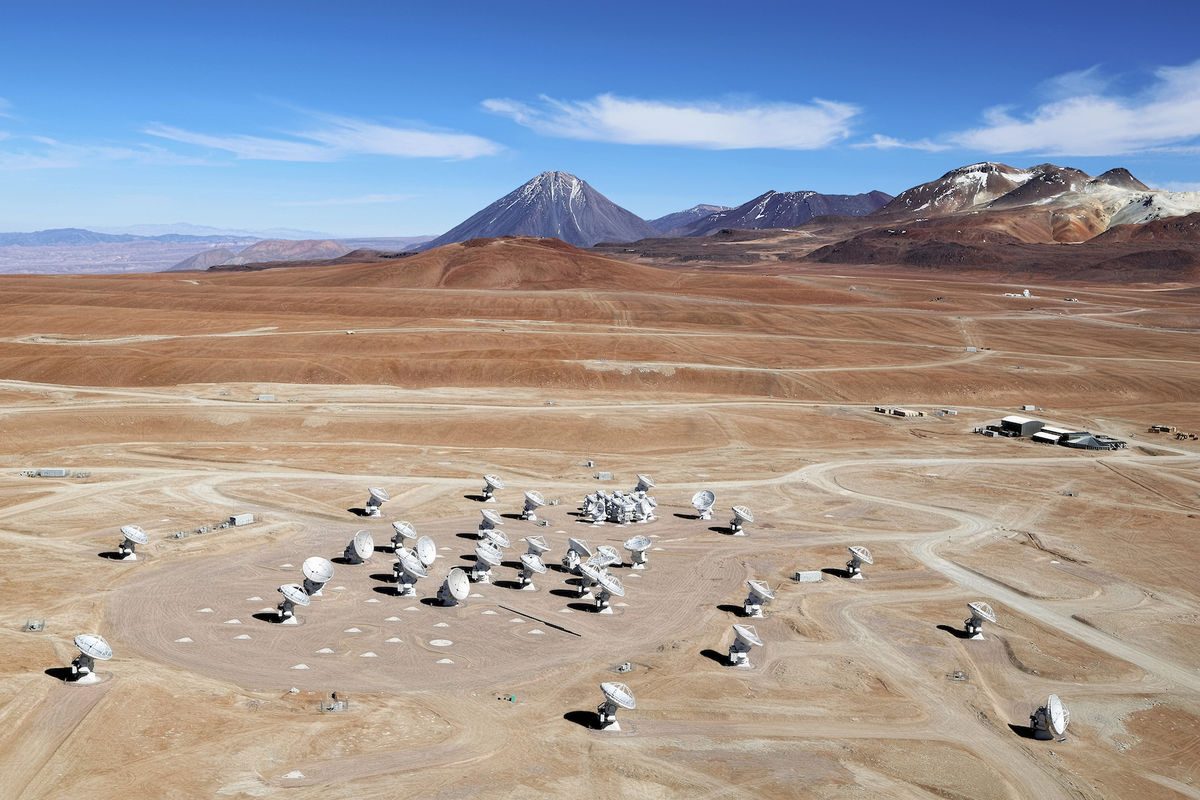
Most visitors prefer a private stargazing excursion for intimate sky viewing, whereas professional facilities provide a deeper look at high-altitude astronomical research. While you may seek atacama desert telescope tours for nocturnal exploration, the nearby ALMA site offers unmatched insight into radio astronomy.
|
Top pick Telescope Tours |
ALMA Observatory | |
|---|---|---|
| Focus | Night sky observation | Professional radio astronomy |
| Access | Various locations | Limited site access |
| Availability | Nightly departures | Restricted guided visits |
| Learning Style | Guided stargazing | Scientific facility overview |
| Transportation | Private transport required | Transport from San Pedro |
| Elevation | Varies by site | 5,000 meters |
| Cost | 15–50 USD | Free (requires permit) |
| Booking | Online reservations | Mandatory advance registration |
| See tickets & prices |
Verdict: Choose a local night tour for hands-on stellar observation, or secure one of the elusive atacama desert telescope tours tickets for a scientific facility visit if you prefer institutional research over amateur skywatching.
Hand-picked experiences loved by thousands of travelers
3 hours
Free Cancellation
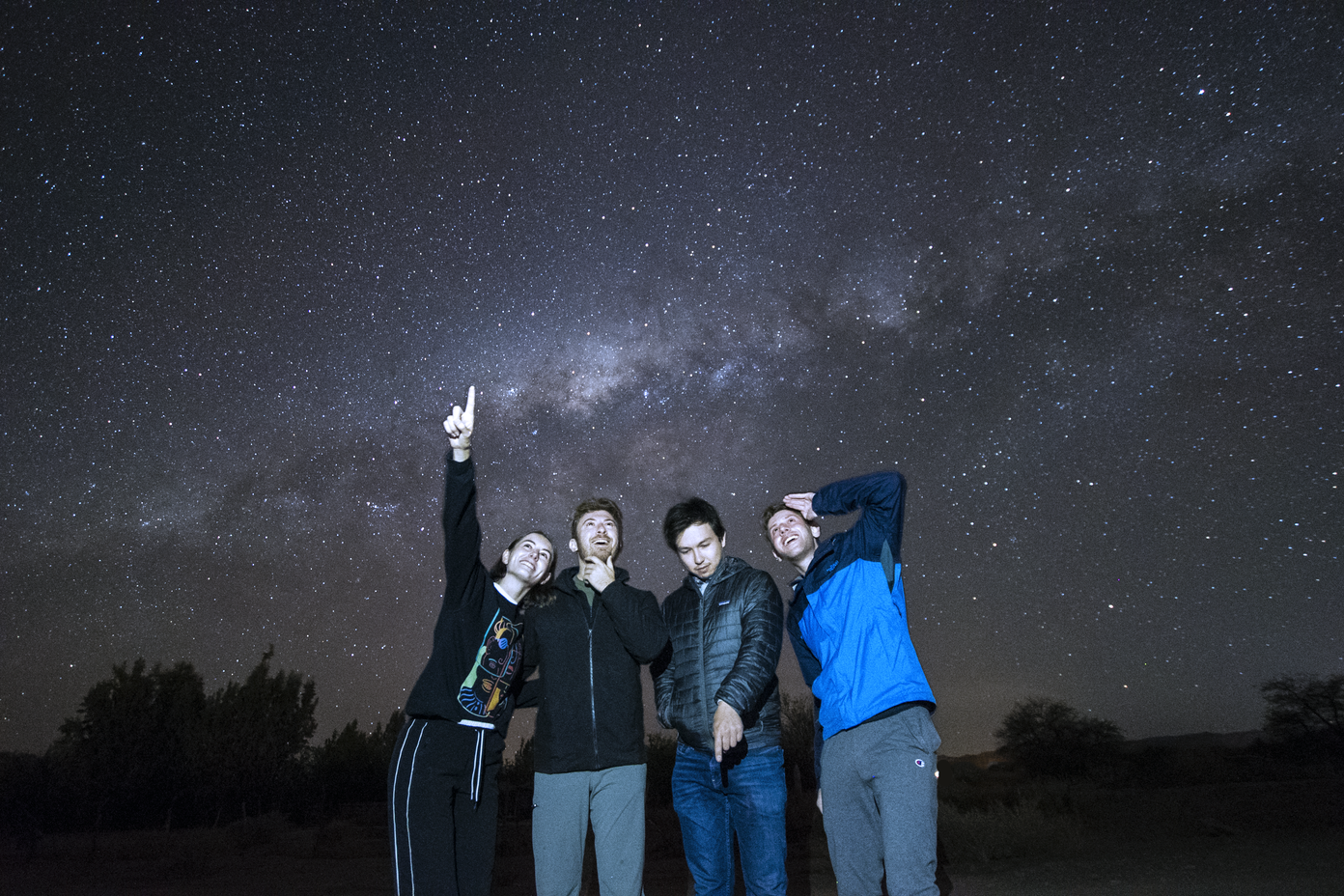
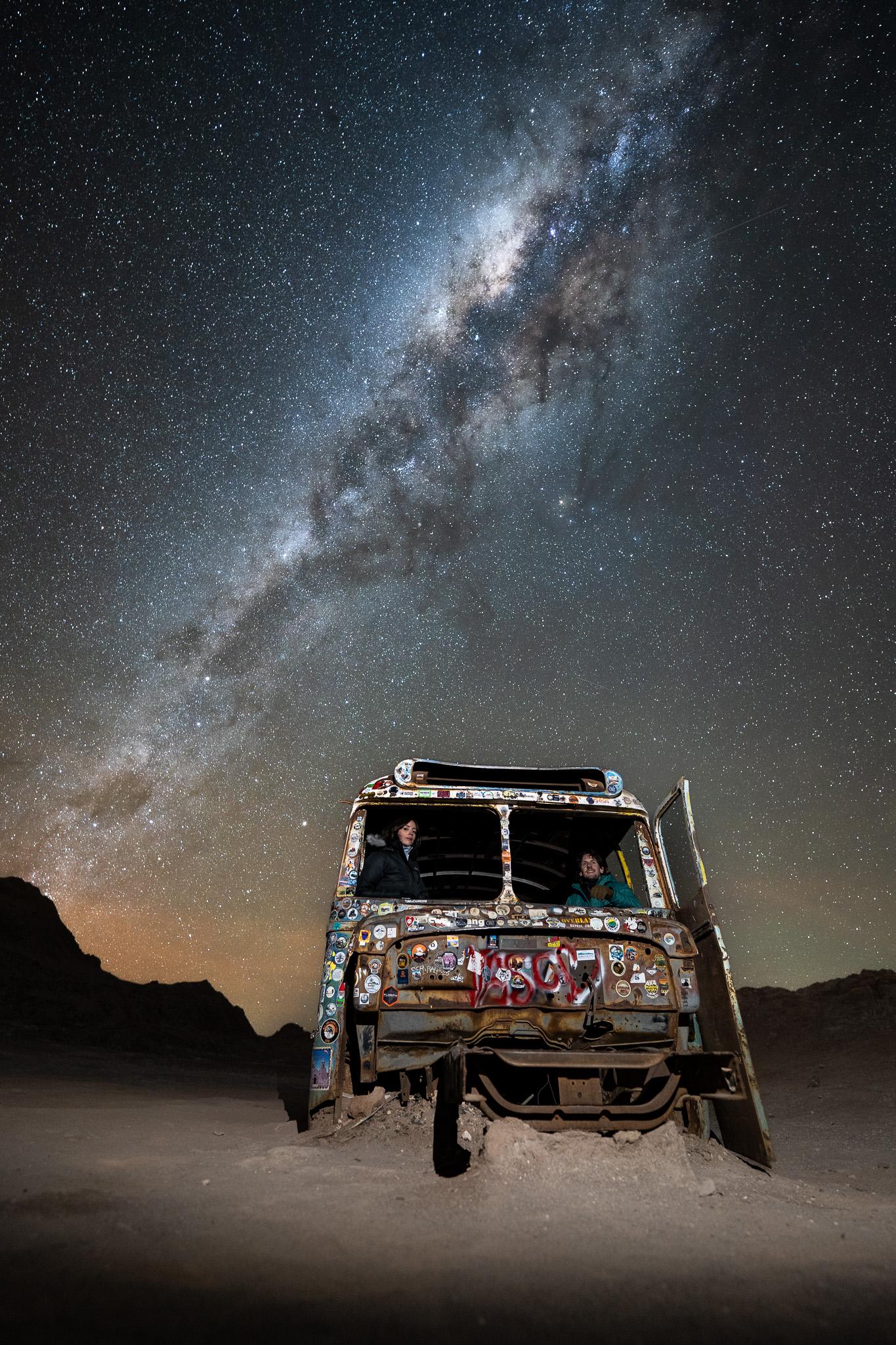
Explore the cosmos under pristine desert skies with telescope viewing and professional star portraits
3 hours
Free Cancellation
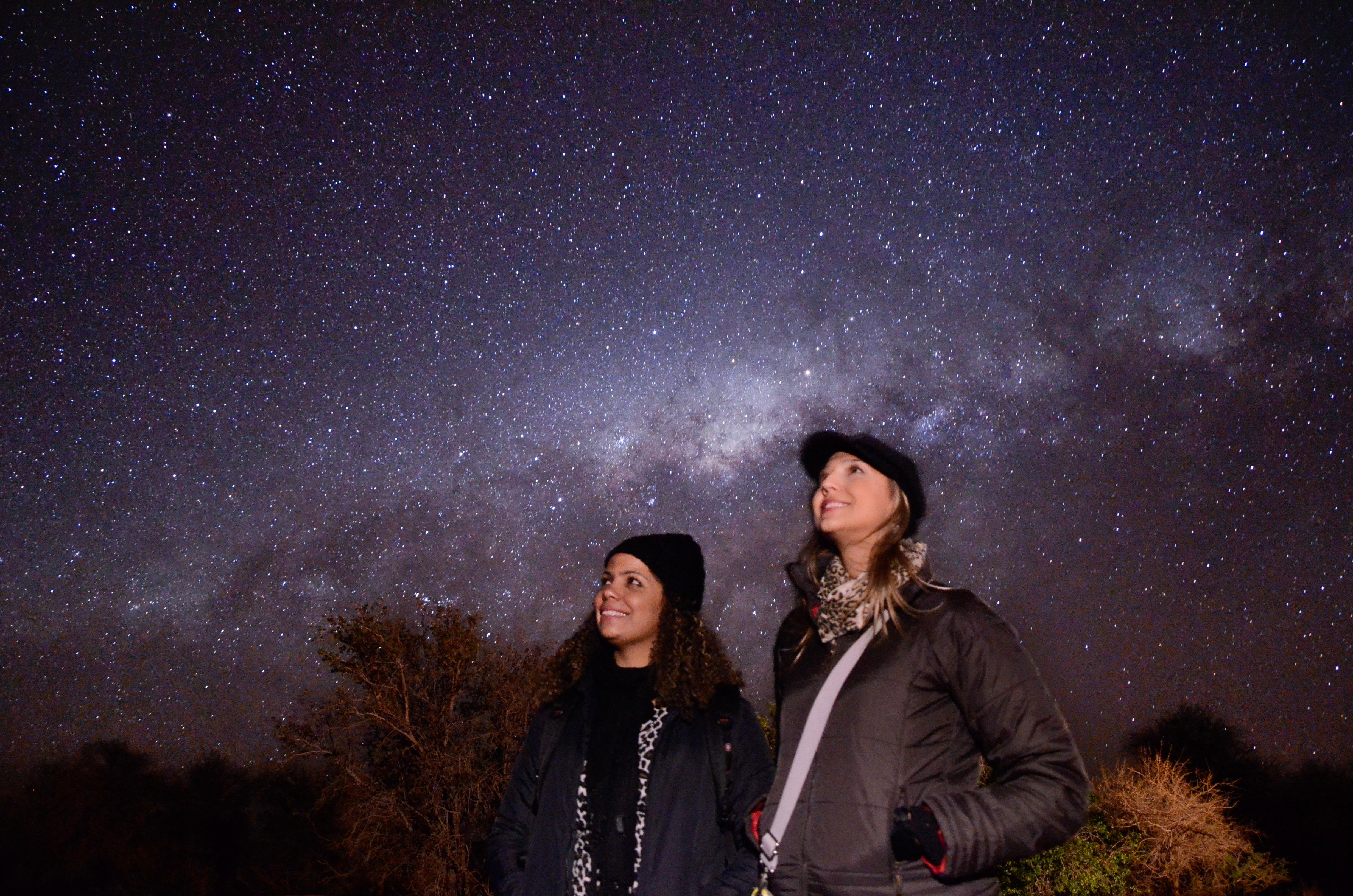
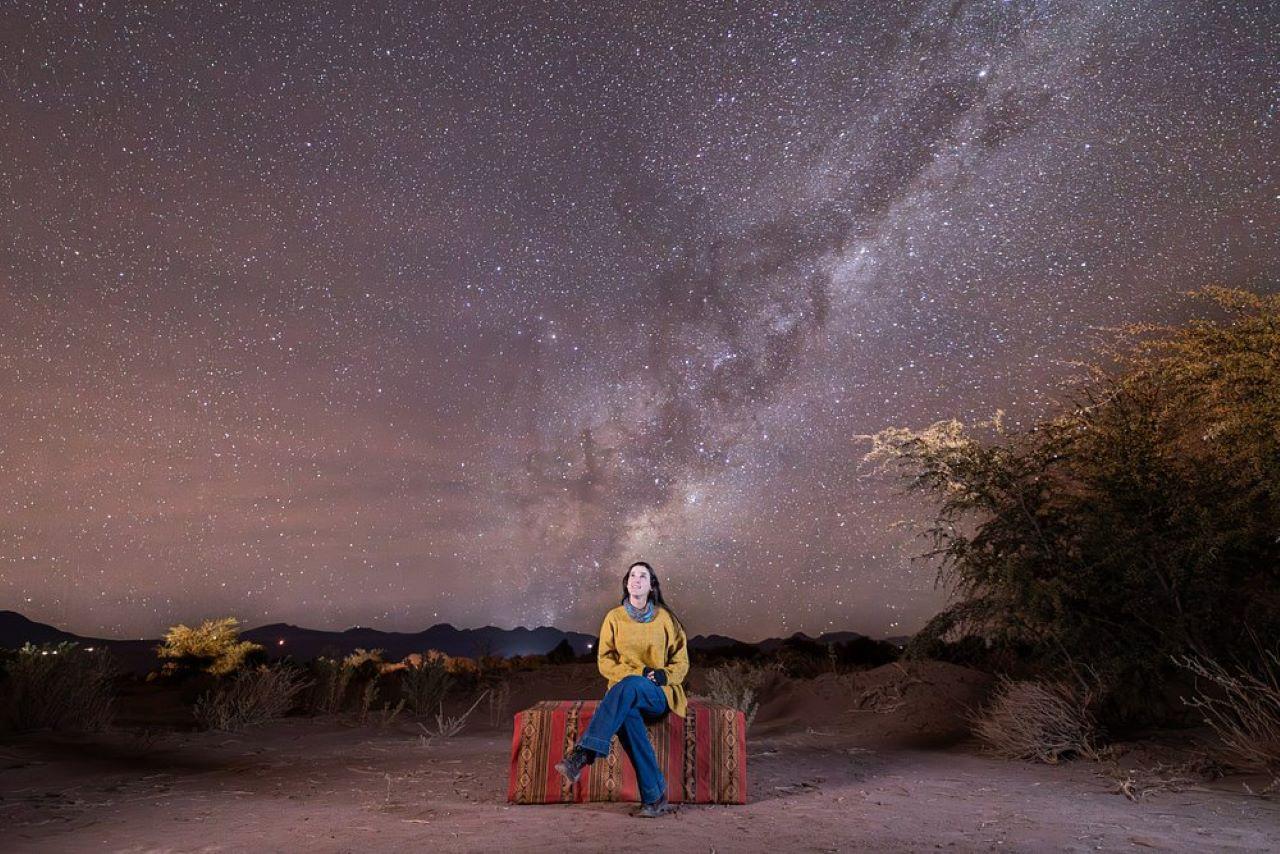
Journey into the darkest skies on Earth to explore nebulae, galaxies, and the Milky Way with expert guidance
2 hours 30 minutes
Free Cancellation
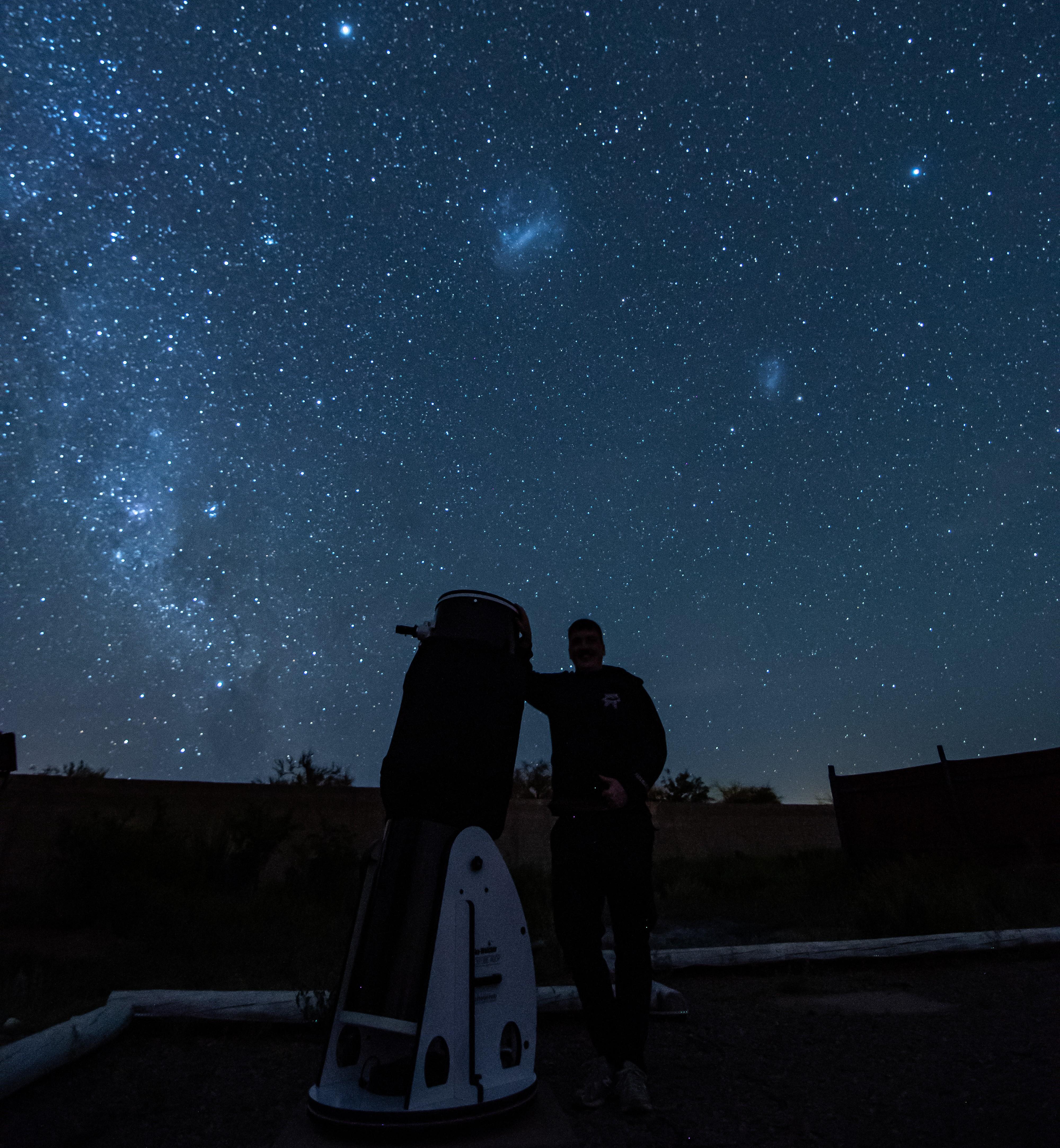
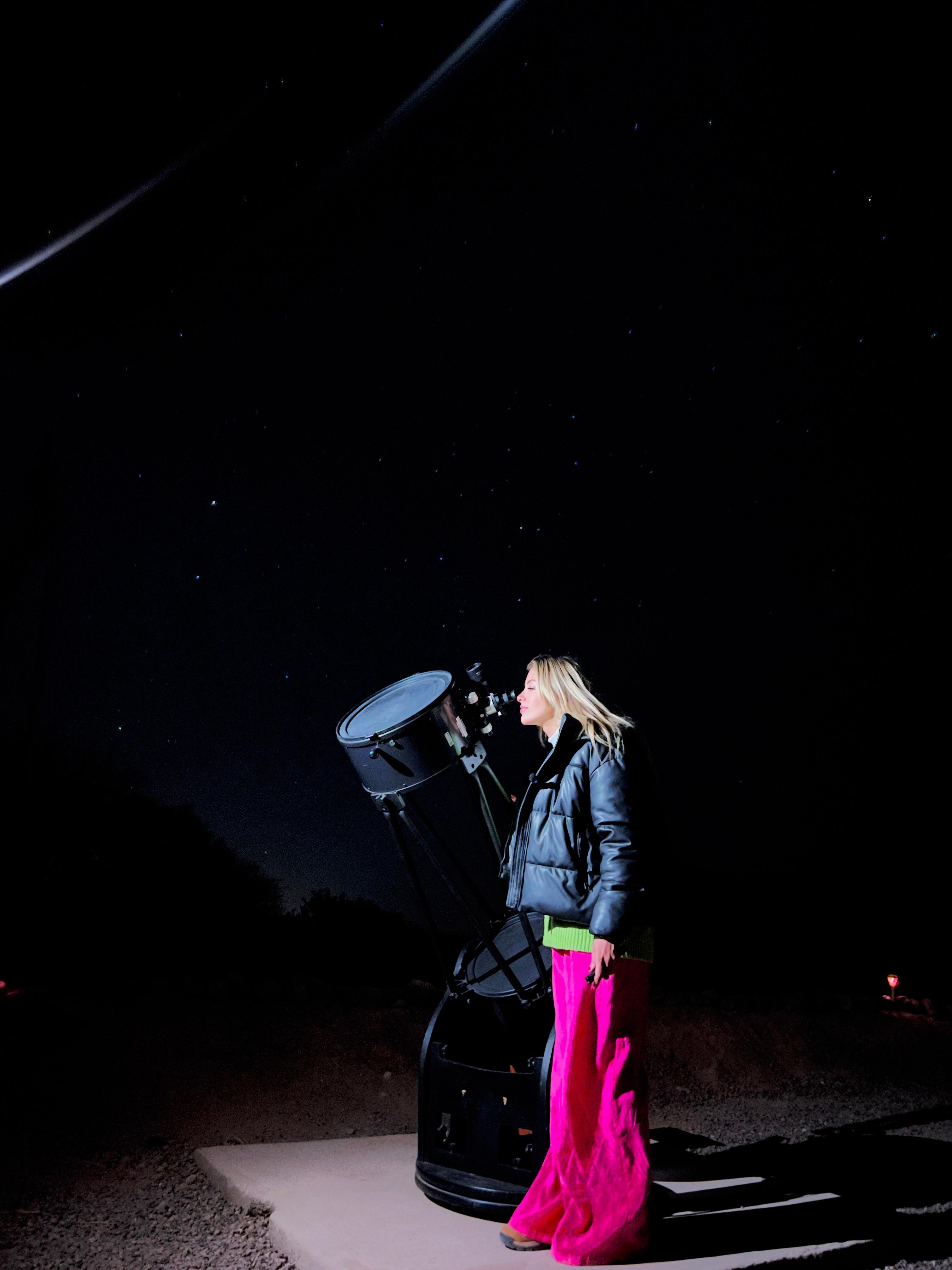
Journey through the cosmos with expert guides and professional telescopes in one of Earth's clearest skies
2 hours 30 minutes
Free Cancellation
Explore the cosmos through professional telescopes, enjoy warm drinks, and take home personalized photos.
3 hours
Free Cancellation
Discover the cosmos from one of Earth's clearest skies while enjoying local cuisine and ancestral stories
2 hours
Free Cancellation
Explore Chile's night sky through telescopes, ancestral stories, and gourmet desert flavors under the Milky Way.
2 hours
Free Cancellation
Discover the cosmos through powerful telescopes while sipping Chilean wine under one of Earth's clearest skies
2 hours
Free Cancellation
Explore the southern hemisphere's celestial wonders through telescopes and capture stunning photos under desert skies
Registration at the observatory gate with ID.
Tour of the informative exhibition on space.
Walking tour of the VLT platform and technical domes.
Final transit off-site after conclusion.
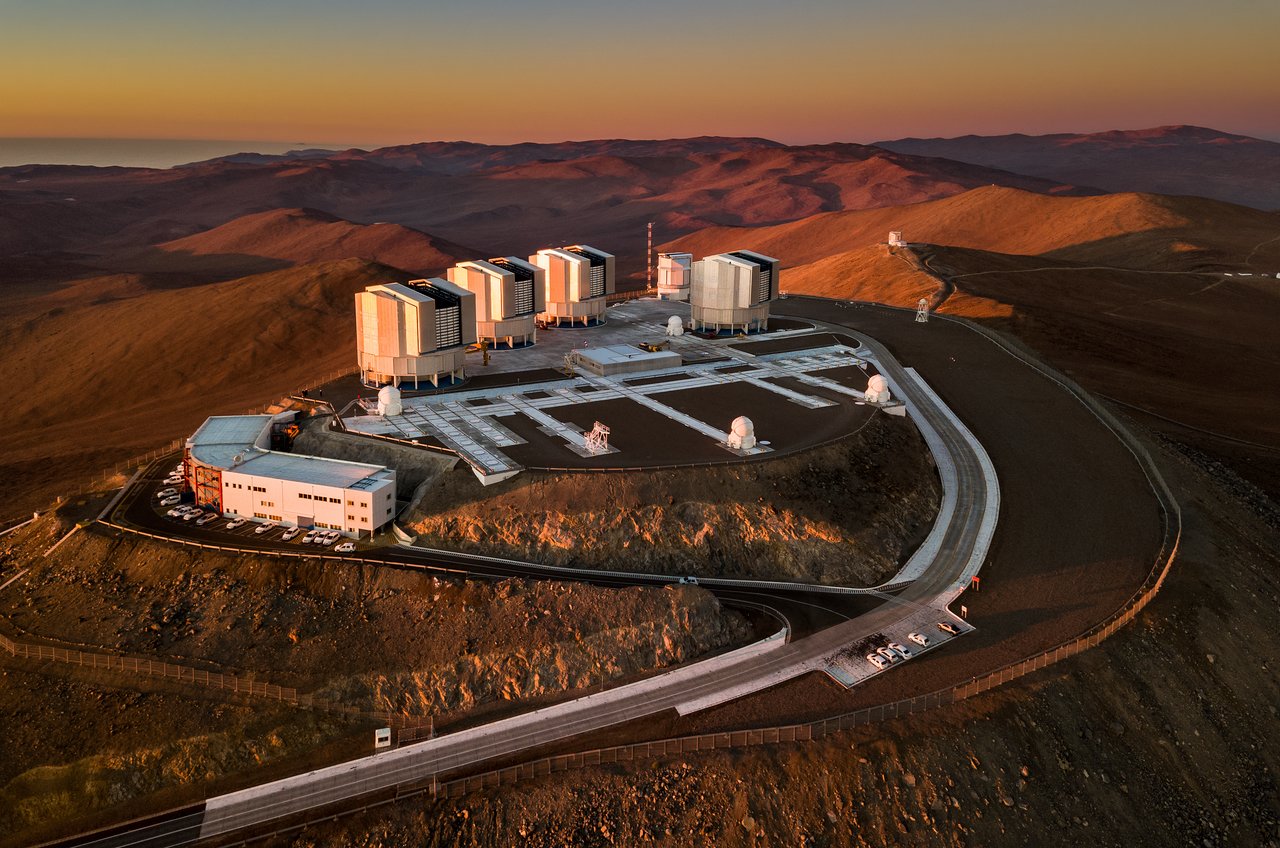
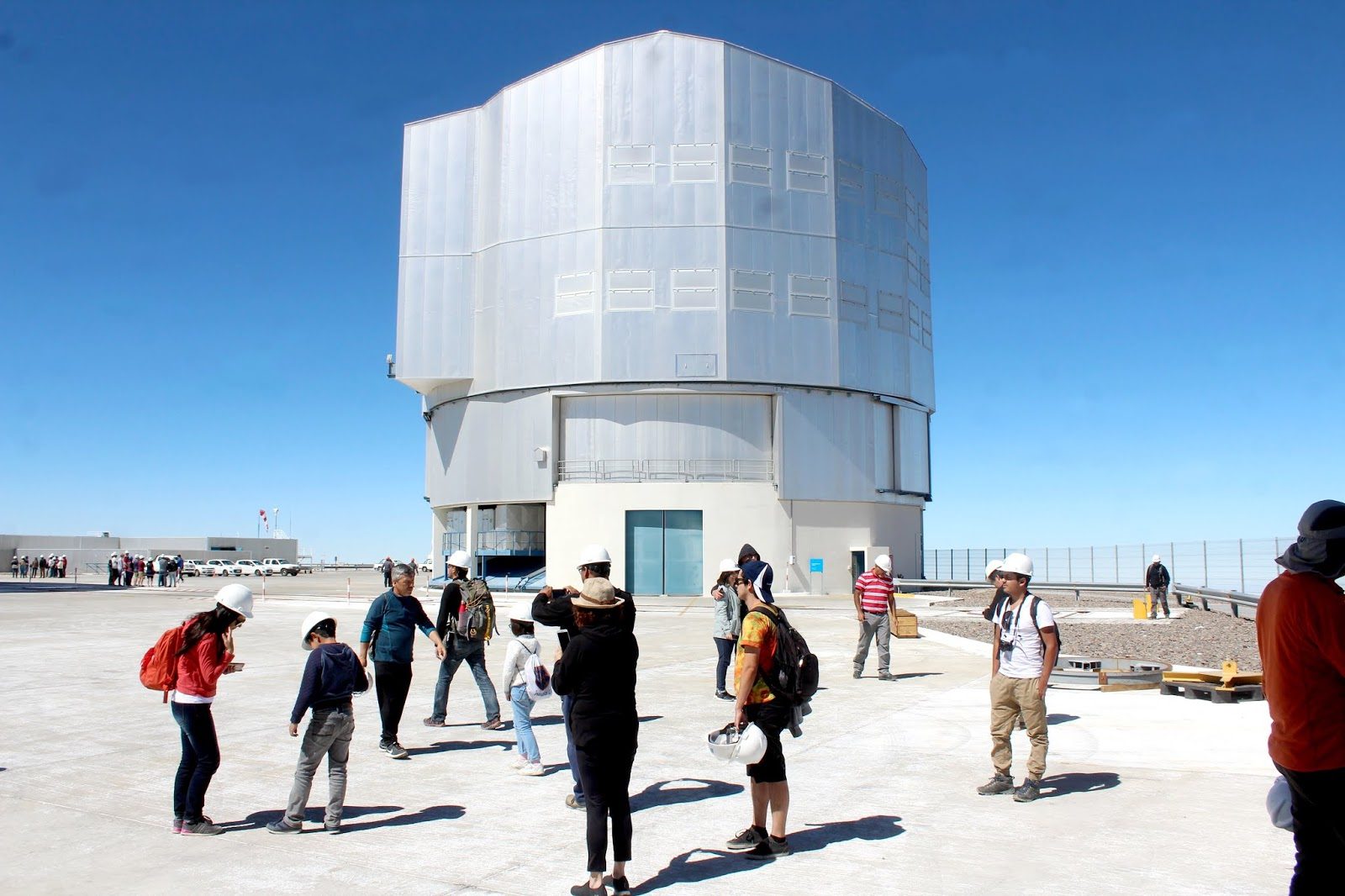
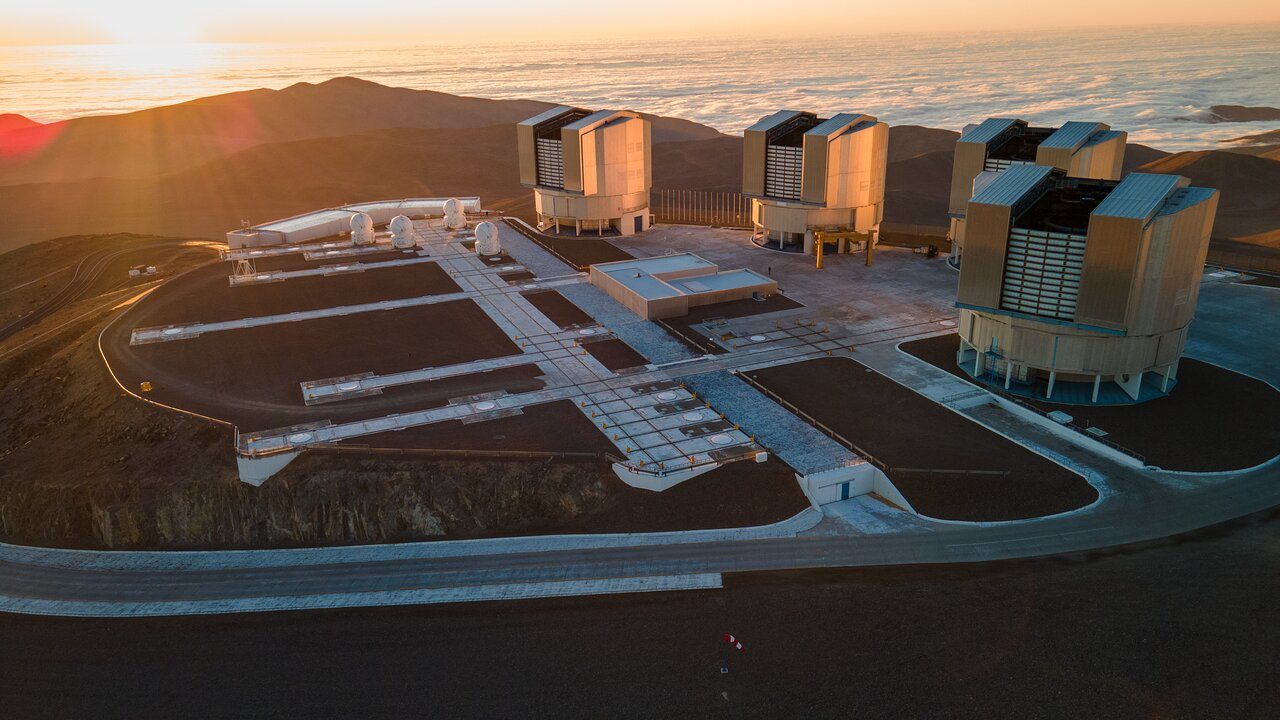
The VLT consists of four giant 8.2-meter telescopes that can work together to capture deep space data.
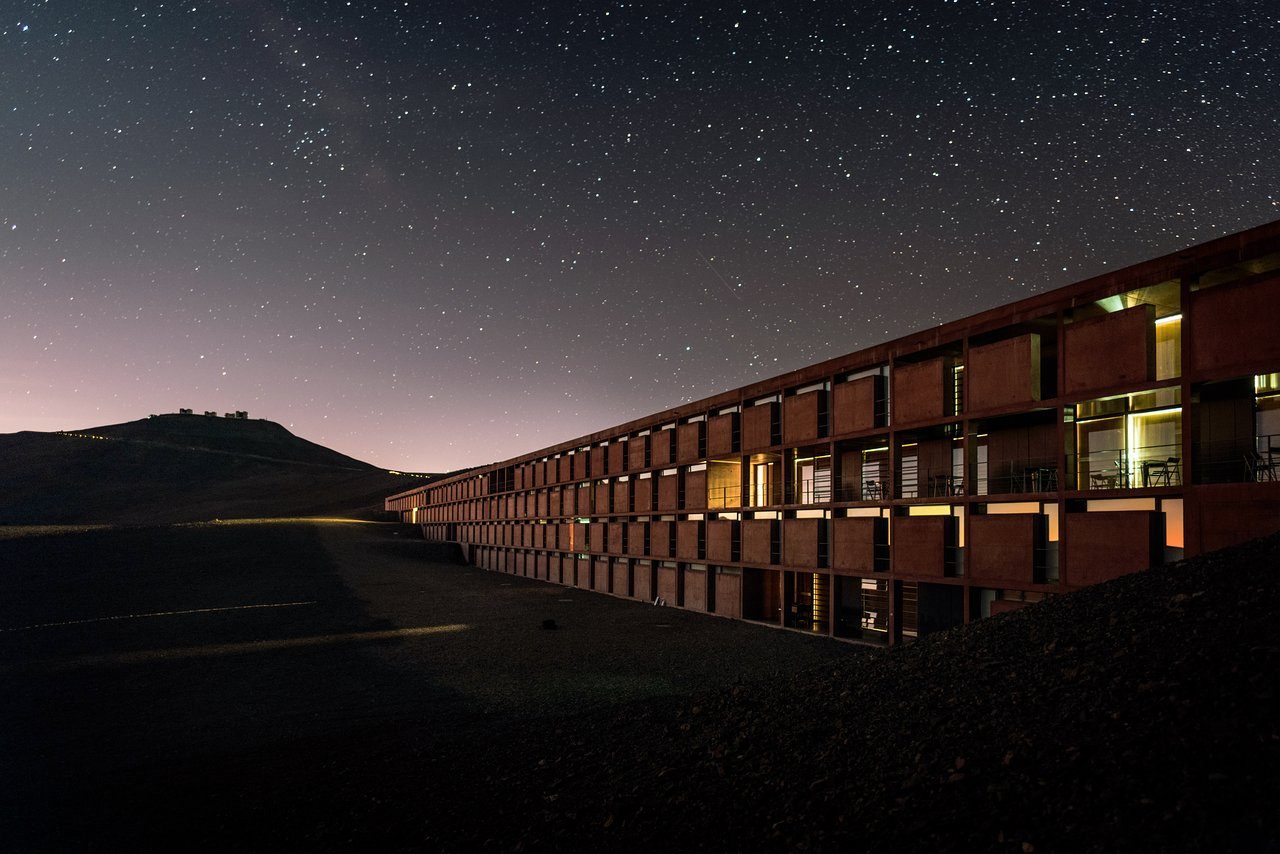
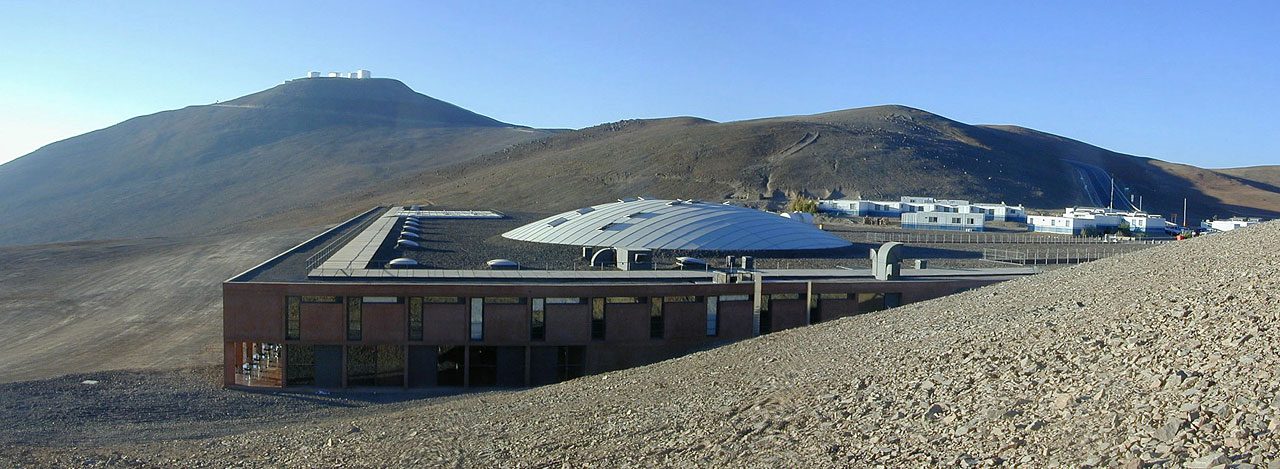
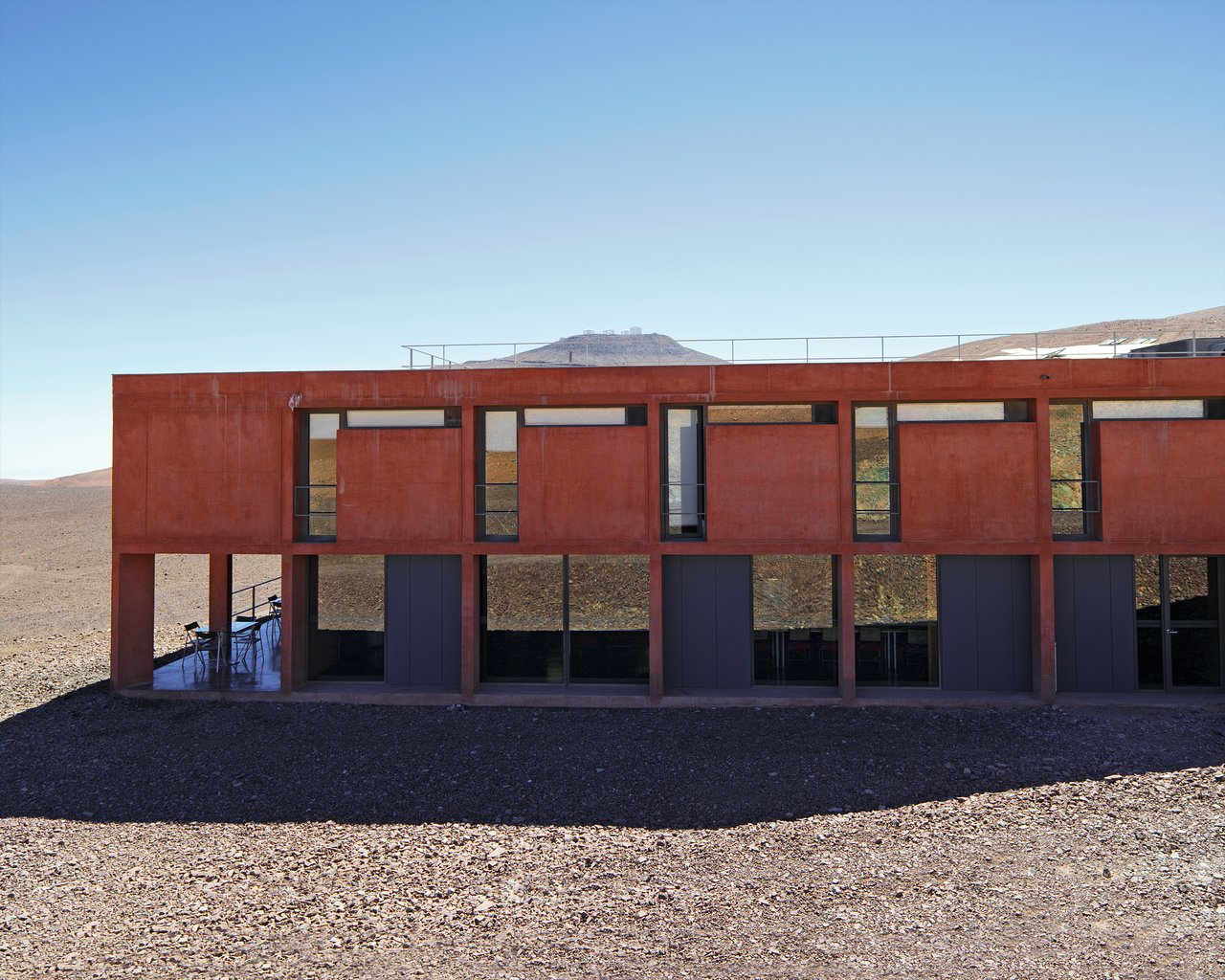
This iconic, futuristic building is where scientists stay and was featured in the James Bond film Quantum of Solace.
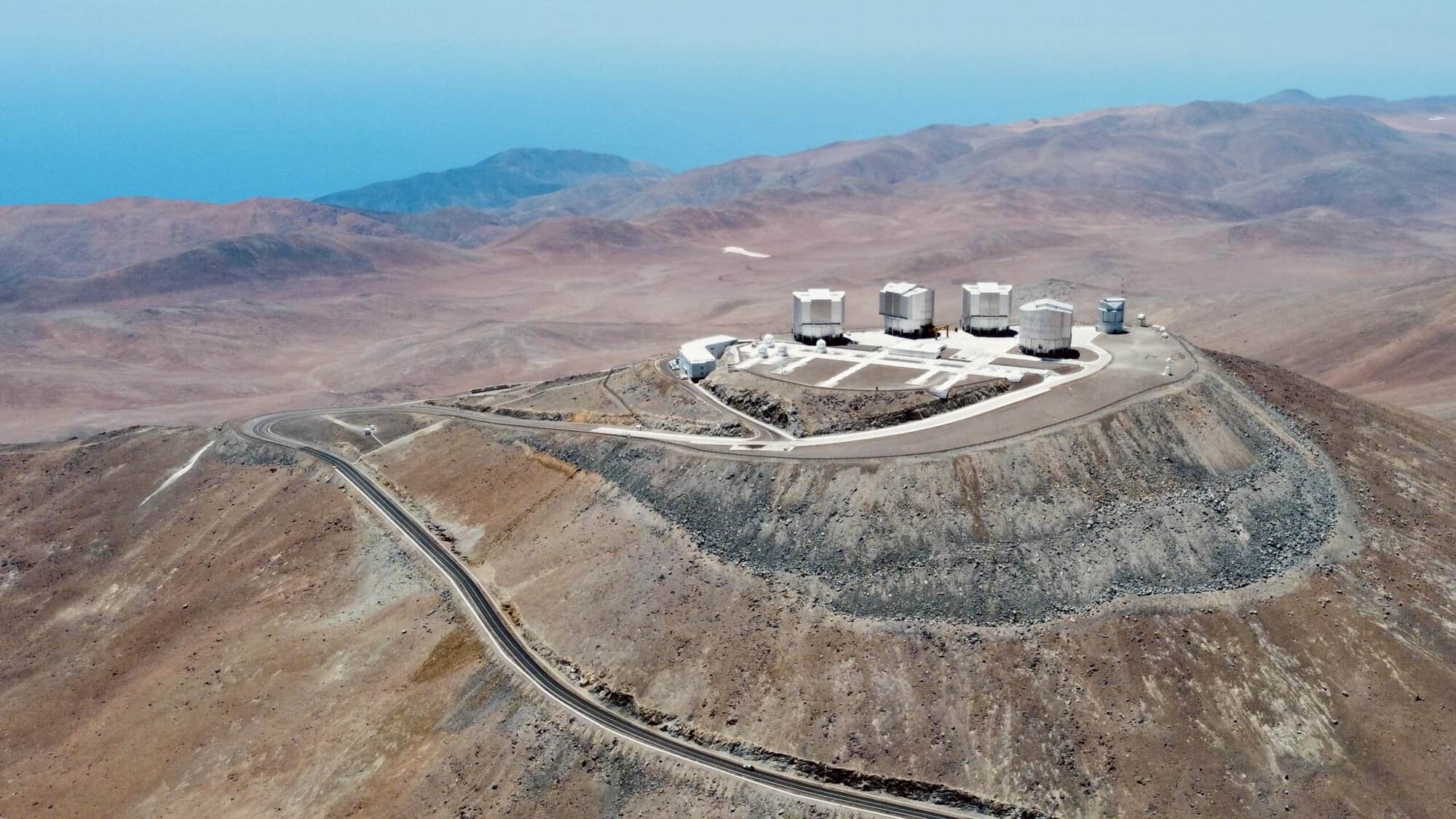
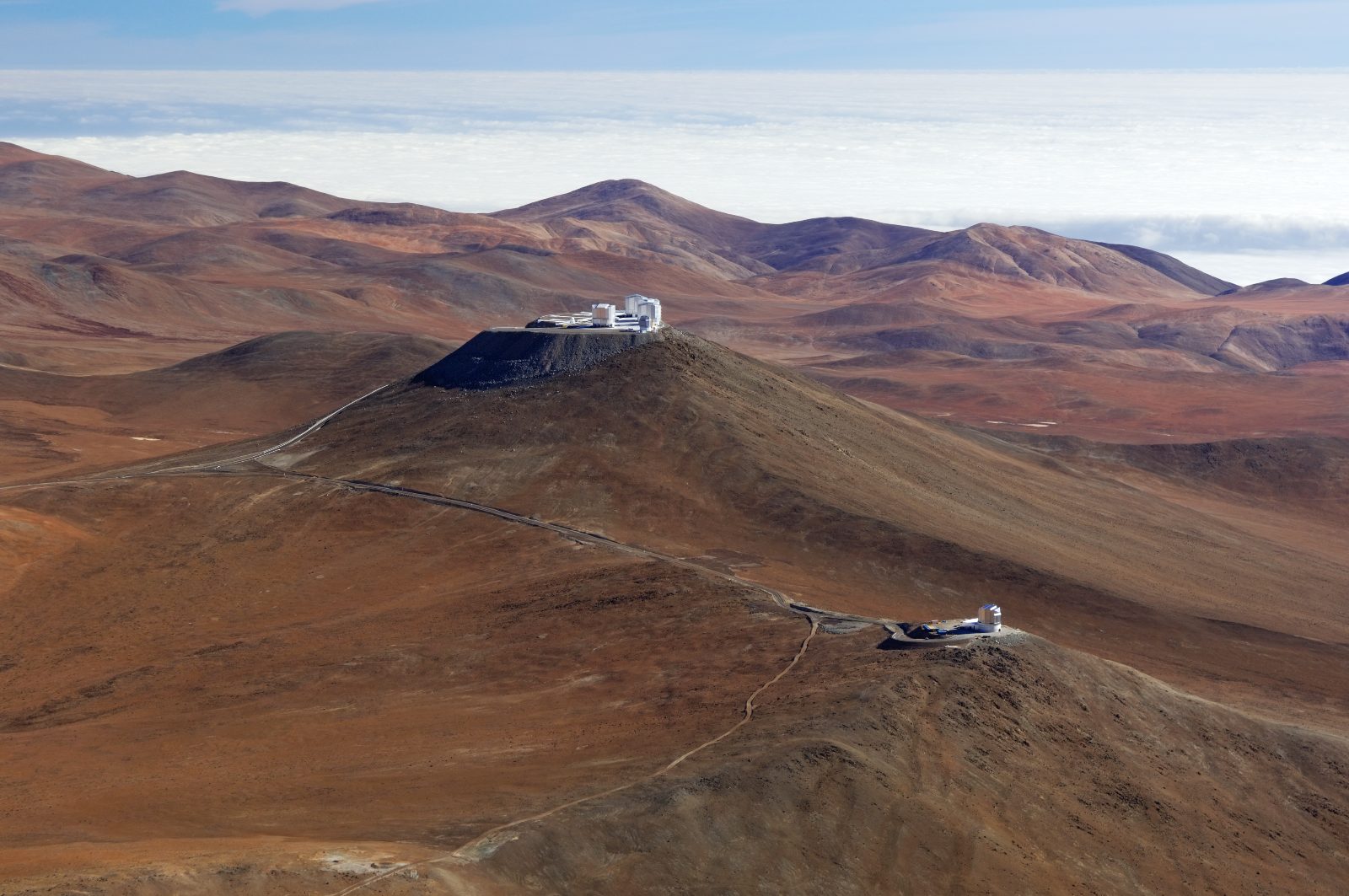
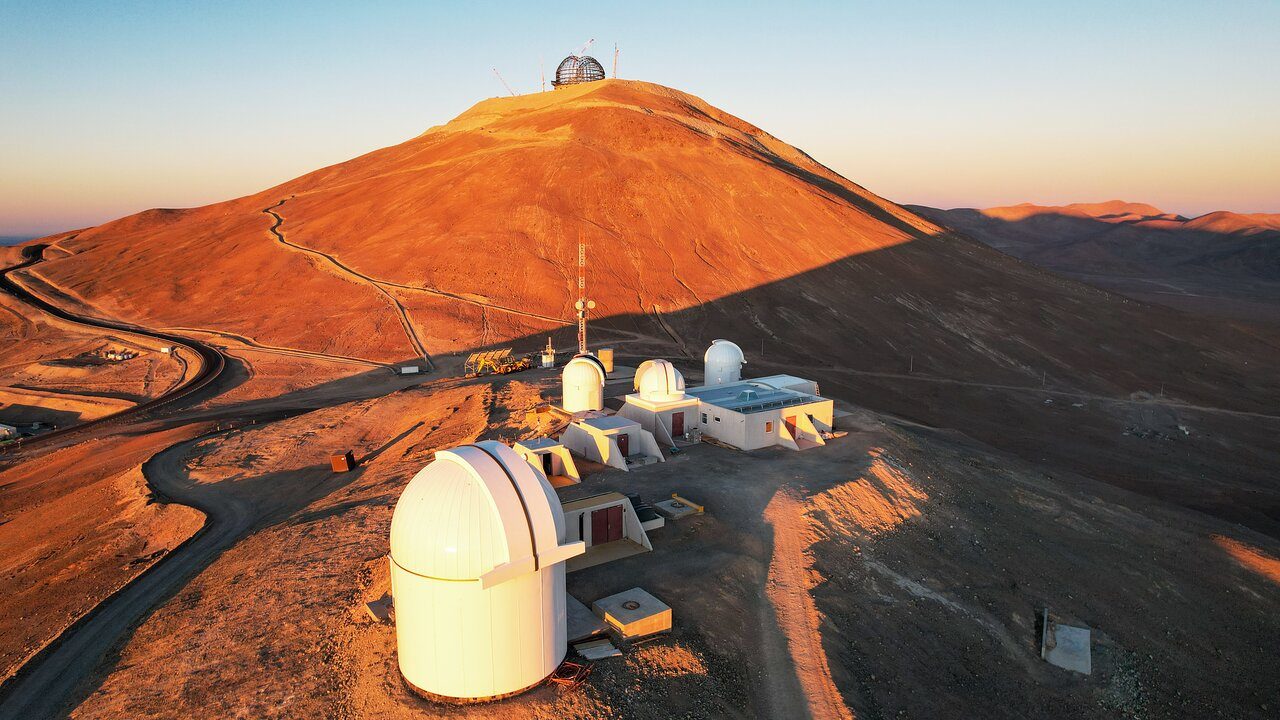
Standing at 2,635 meters, the summit provides some of the world's best atmospheric conditions for astronomy.
This center features interactive displays and exhibits regarding the advanced astronomical research conducted at the site.
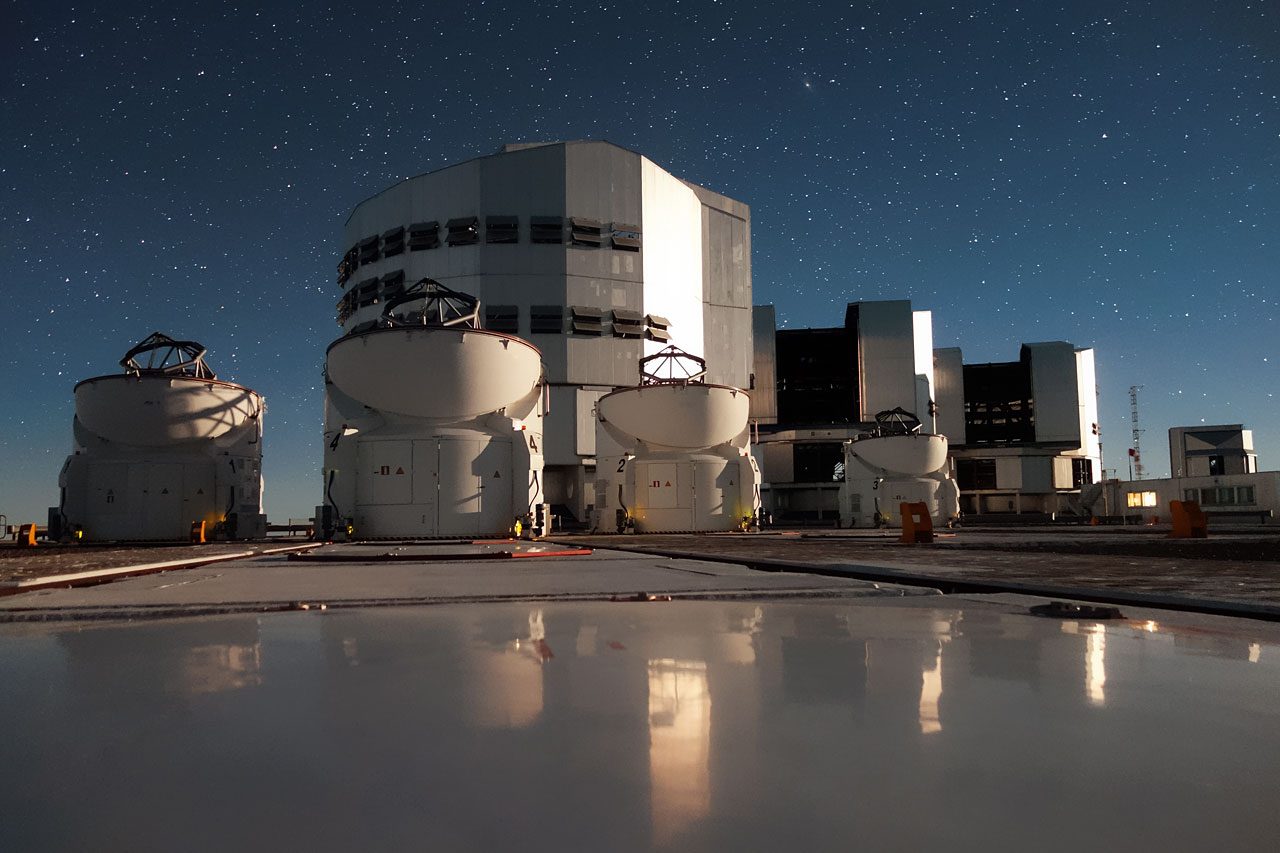
These 1.8-meter telescopes are used to enhance the interferometry capabilities of the VLT array.
You register online for the Saturday Paranal visit and arrive by 09:40, when the morning session begins with a safety briefing in the main plaza. A guide leads your group into the first VLT dome, where the 8.
2-meter mirror sits exposed during daytime maintenance — its beryllium-coated surface reflects your silhouette with mirror-grade precision. You climb the service stairs to the observation platform and watch engineers calibrate the adaptive optics system that compensates for atmospheric turbulence in real time.
The tour continues to the control room, where astronomers operate the telescope remotely from a climate-controlled bunker 10 kilometers away. Monitors display live feeds from Chile, Hawaii, and the Canary Islands, coordinating observations across three continents. You step outside to photograph all four VLT domes arrayed along the ridge, their white enclosures stark against rust-colored volcanic slopes.
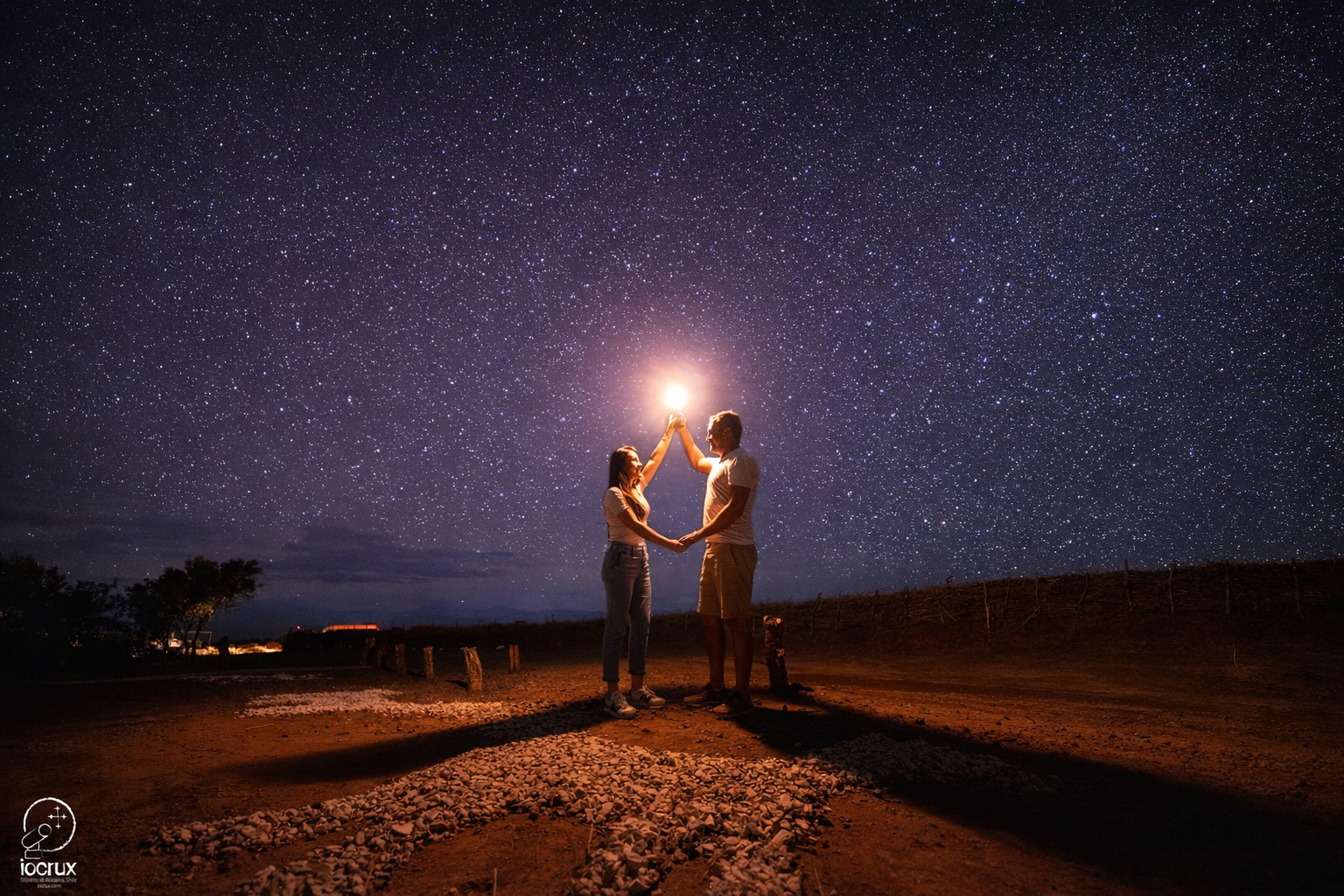
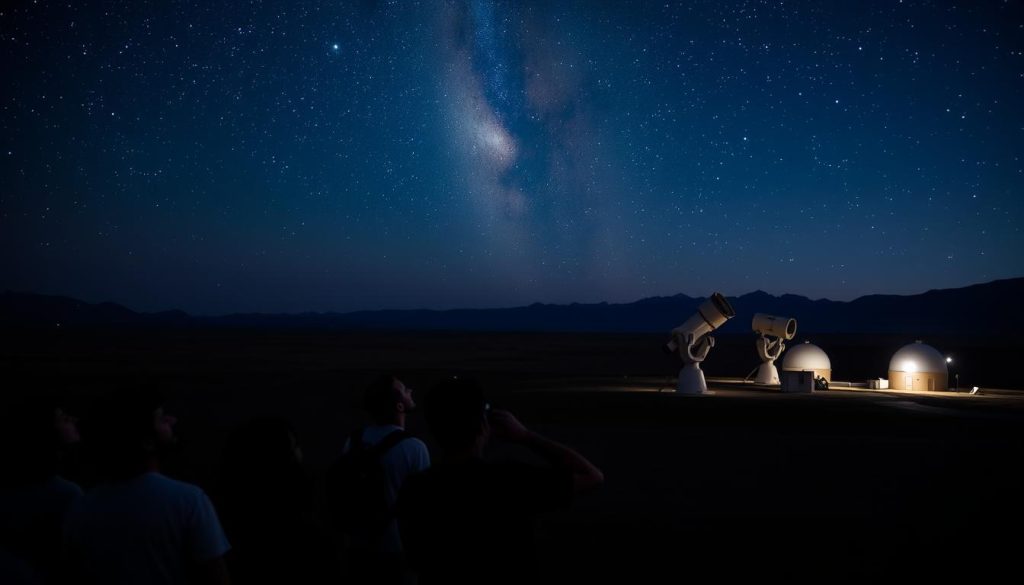
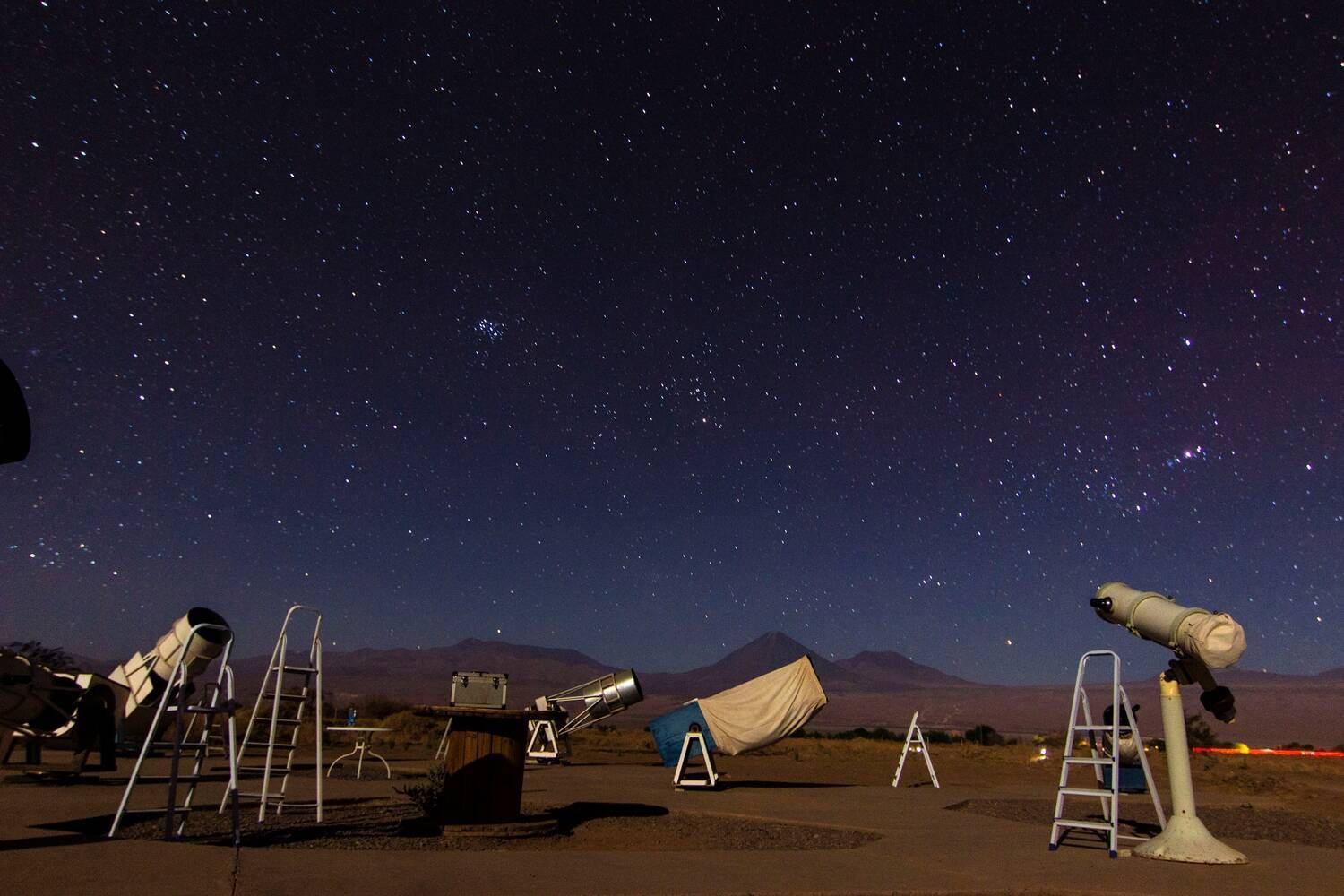
For atacama desert telescope tours focused on night observation, you meet your group at sunset near San Pedro de Atacama. The guide sets up three telescopes as twilight fades — a 14-inch Schmidt-Cassegrain for deep-sky objects, an 8-inch refractor for planetary detail, and a wide-field 80mm for Milky Way framing. You view Jupiter's Great Red Spot, then the guide repositions the main scope toward the Tarantula Nebula in the Large Magellanic Cloud, its ionized gas visible as pink-red threads through the eyepiece.
All the details about your upcoming adventure in one place
The Atacama Desert holds 30 percent of the world's ground-based astronomical infrastructure, not by chance but by atmospheric physics.
At 2,400 meters elevation, the region receives fewer than 10 millimeters of annual rainfall, producing 330 cloudless nights per year and atmospheric transparency unmatched anywhere on Earth. The European Southern Observatory selected Cerro Paranal in 1990 for its Very Large Telescope array — four 8.2-meter reflectors that scan wavelengths from ultraviolet to mid-infrared, each dome weighing 430 tons yet rotating on a 50-micron oil film.
Paranal Observatory operates at the frontier of observational cosmology. Since first light in 1998, its instruments have captured the orbital mechanics of stars circling the Milky Way's central black hole, mapped exoplanet atmospheres, and measured the accelerating expansion of the universe — work that earned the 2011 Nobel Prize in Physics. The ALMA array, 50 kilometers southeast at 5,000 meters, complements Paranal with 66 radio dishes that image star-forming regions hidden by interstellar dust. Together, these facilities generate 40 percent of the world's peer-reviewed astronomy papers.
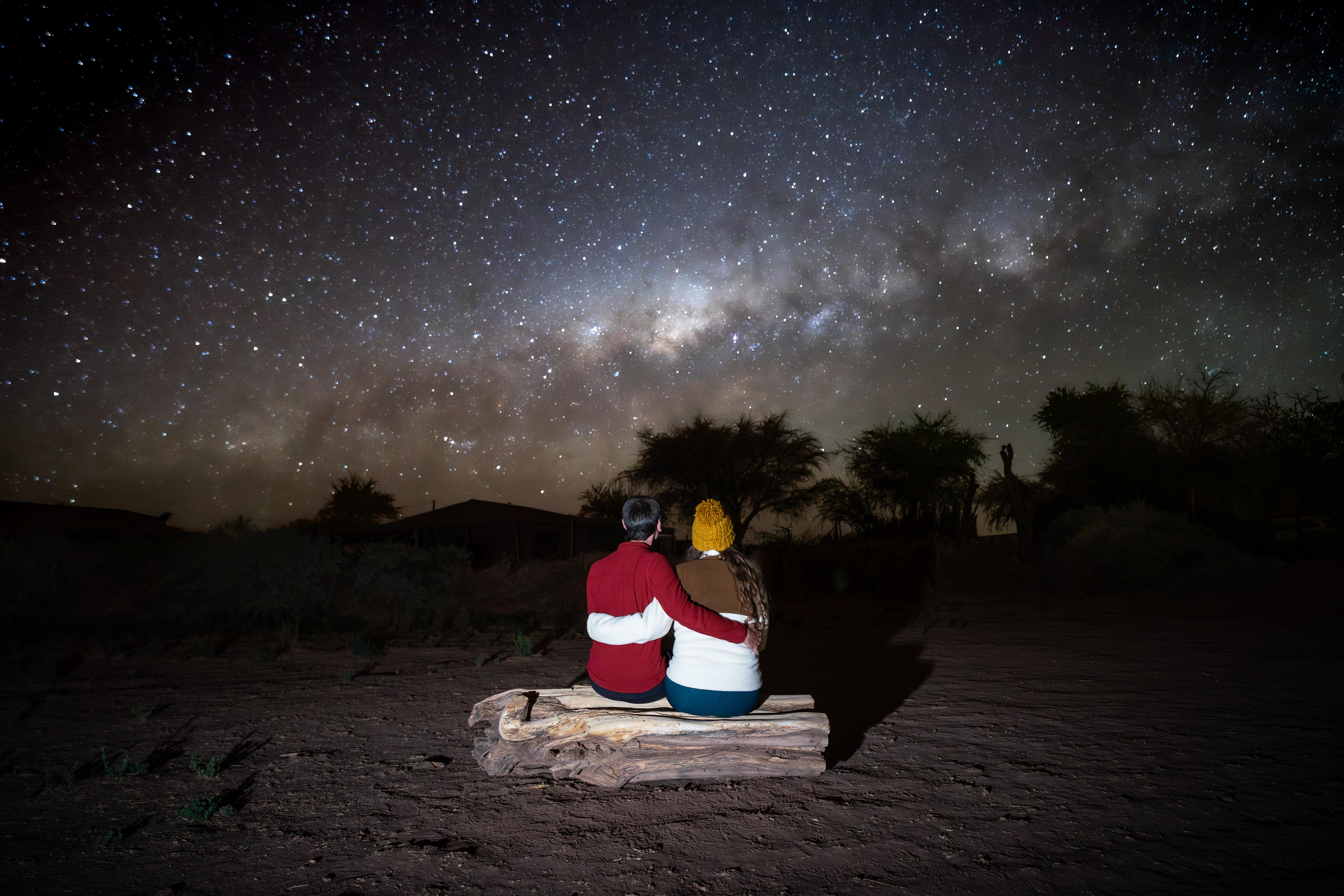
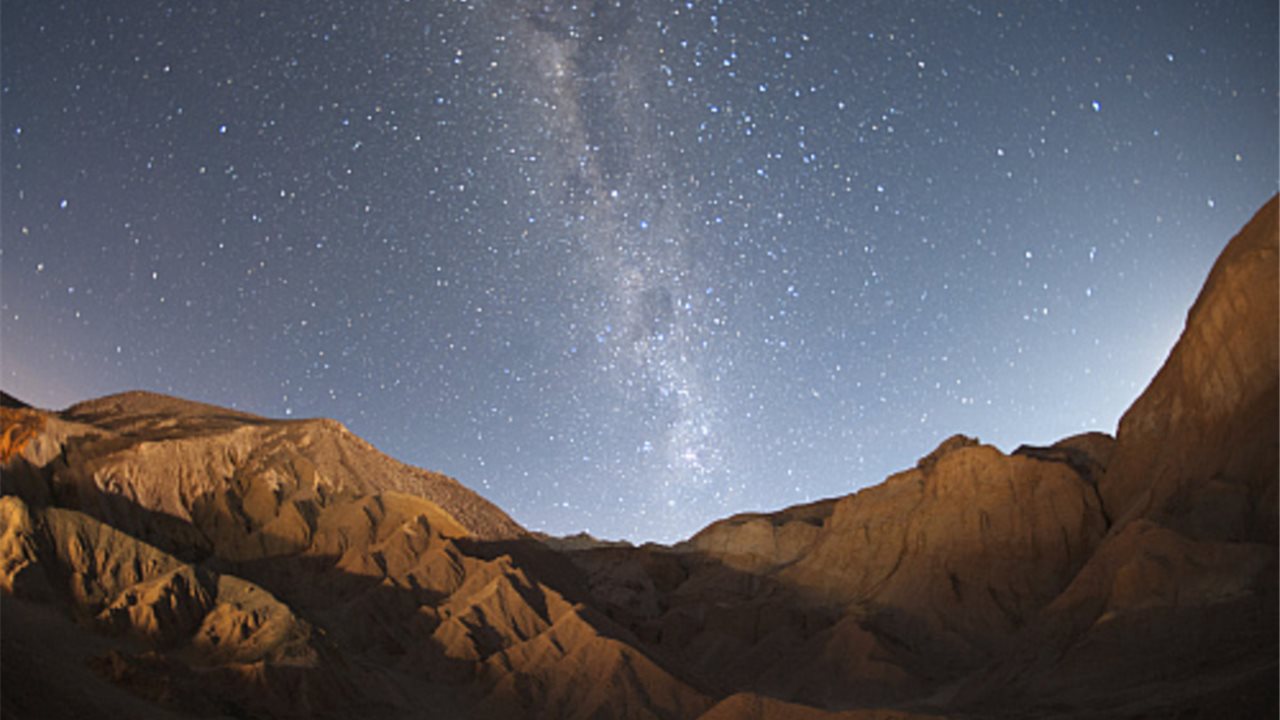
Beyond institutional research, the Atacama's astronomical conditions have created a second ecosystem: commercial stargazing operations that deploy portable telescopes across the Atacama Salt Flat and surrounding valleys. Unlike urban planetarium shows, these atacama desert telescope tours position visitors under raw, unfiltered night sky where the Magellanic Clouds span 20 degrees of horizon and the Andean Milky Way casts visible shadows. Tour operators use computerized mounts and wide-field refractors to track Saturn's rings, resolve the Orion Nebula's central trapezium, and frame the Carina Nebula's ionized hydrogen clouds — celestial structures invisible from latitudes north of 30 degrees.
The desert's astronomical advantage derives from the Atacama's position beneath the subtropical jet stream and upwind of the Pacific anticyclone, which blocks moisture-laden air masses year-round. This climatic stability makes the region a natural laboratory for testing next-generation instruments: the future Extremely Large Telescope, under construction 20 kilometers from Paranal, will deploy a 39-meter segmented mirror capable of directly imaging Earth-sized planets in habitable zones around nearby stars when it achieves first light in 2027.

The Atacama generates 40 percent of the world's peer-reviewed astronomy papers from facilities spanning 2,400 to 5,000 meters elevation.
Wear sturdy, closed-toe shoes suitable for walking on uneven terrain. We recommend layered clothing and UV-rated sunglasses to protect against harsh desert conditions during your visit to these atacama desert telescope tours.
Security is strict at the site and you must present a valid ID along with your printed registration form. Large bags are discouraged and may be subject to inspection during these atacama desert telescope tours.
Photography is permitted in most visitor areas, but please respect local signage regarding sensitive technical equipment. Use these atacama desert telescope tours to capture the unique landscape of the Atacama Desert.
Children under four years old are not permitted on these atacama desert telescope tours for safety reasons. Each adult may accompany a maximum of 10 minors.
The site requires walking between facilities; please contact the operator if you have specific mobility concerns. Individuals with pacemakers must not enter the telescope domes due to electromagnetic fields at these atacama desert telescope tours.
There are no dining facilities on-site at the Paranal Observatory. Visitors are welcome to bring their own light snacks and water to enjoy during their atacama desert telescope tours.
Opening Hours
Sat 09:40–17:00
Address
Paranal Observatory, Cerro Paranal, Antofagasta Region, Chile
Entry Fee
0 USD (mandatory online registration)
Best Arrival
09:40–14:00
Transport
Personal vehicle or private hire required
Car · 2 hours · N/A
Follow the paved route south from Antofagasta towards Taltal. Parking is restricted to designated visitor areas outside the observatory gates.
Reservations for atacama desert telescope tours can be modified or cancelled online until 10:00 AM on the Friday preceding your visit. There is no fee for these atacama desert telescope tours as entry is 0 USD.
Recommended time
3-4 hours
Planning your visit requires strict adherence to the schedule, as atacama desert telescope tours are conducted exclusively on Saturdays. Guests must align their arrival with the 09:40–14:00 window to ensure they are on-site for the guided journey through this Paranal Observatory landmark. Securing your atacama desert telescope tours tickets online in advance is essential, as the site remains closed to the public throughout the rest of the week. Please note that the experience focuses on the infrastructure of these scientific arrays, and you should factor in extra time for the remote transit to Cerro Paranal to make the most of your atacama desert telescope tours tour.
Crowd levels through the day
Weather · crowds · average price — dots go green to amber to red as each metric rises.
Mild temperatures make this an ideal time for these atacama desert telescope tours. Clear skies are frequent during the October–March window.
Expect intense solar radiation during the day, requiring high-SPF protection. The site is a premier destination for viewing the southern sky.
Temperatures cool down, providing comfortable weather for outdoor transit. Visit early in the season to enjoy stable conditions.
Clear nights are common, though days can be brisk. Visibility for stargazing enthusiasts remains high between April and September.
These atacama desert telescope tours reach capacity months in advance. Secure your spot on the official ESO portal early.
The observatory does not provide fuel. Ensure your vehicle has a full tank before leaving the city for these atacama desert telescope tours.
The high altitude and dry desert air cause rapid dehydration. Carry plenty of water throughout your atacama desert telescope tours.
Tours may be cancelled due to severe conditions. Monitor your email for any updates regarding your atacama desert telescope tours.
Astronomers work on site; please adhere to all restricted area signs. Keep noise levels low near the technical buildings during these atacama desert telescope tours.
Cerro Paranal, Antofagasta
Report here 15 minutes before your tour start.
Get directionsThe Chilean government designated Cerro Paranal as an astronomical site in 1990 after years of atmospheric surveys confirmed its exceptional clarity. The European Southern Observatory broke ground in 1991 on what would become the Very Large Telescope, the world's most advanced optical observatory at the time. Engineers carved the summit flat, removing 350,000 cubic meters of rock to create a plateau 2,635 meters above sea level. Four identical 8.2-meter telescopes rose between 1998 and 2000, each housed in a thermally controlled dome weighing 430 tons. The facility operates in one of Earth's driest regions, where annual rainfall averages less than ten millimeters and humidity routinely drops below five percent. Construction teams faced extreme isolation. The nearest settlement, Taltal, lay 120 kilometers south over unpaved mountain roads. Workers built an underground residence complex to shield staff from daytime heat and nighttime cold. Water arrived by tanker truck until 2001, when a dedicated pipeline linked the site to coastal desalination plants. The VLT recorded first light on May 25, 1998, capturing images of celestial objects with unprecedented resolution. By 2000, all four unit telescopes operated in interferometric mode, combining their light to achieve the resolving power of a single 130-meter mirror. This capability enabled the 2002 detection of Sagittarius A*, the supermassive black hole at the Milky Way's center, and the 2004 imaging of exoplanet orbits. Public atacama desert telescope tours began in 2008 after ESO installed visitor infrastructure. The program restricts attendance to Saturdays, limiting groups to preserve scientific operations. Tourists traverse the same plateau where astronomers discovered accelerating cosmic expansion and captured the first direct image of an exoplanet atmosphere. The telescopes remain active research instruments. Over 600 peer-reviewed papers cite VLT data annually, covering dark energy, gravitational waves, and planetary formation. Mandatory advance registration ensures atacama desert telescope tours tickets remain allocated without compromising nightly observation schedules that extend from sunset to dawn.
Chilean government designates Cerro Paranal for astronomical development after atmospheric clarity surveys.
Engineers excavate 350,000 cubic meters of rock and construct four telescope foundations at 2,635 meters elevation.
First VLT unit telescope achieves first light on May 25, capturing images with 8.2-meter primary mirror.
All four telescopes operational; interferometric mode combines light to simulate 130-meter aperture.
VLT data confirms Sagittarius A* as supermassive black hole at galactic center.
Observatory captures first direct images of exoplanet orbital motion around distant stars.
European Southern Observatory launches public Saturday tour program with mandatory advance registration.
Stand on the expansive concrete terrace surrounding the Very Large Telescope units to capture the massive scale of the dome structures against the arid landscape. This vantage point provides the best perspective for those participating in atacama desert telescope tours to frame the engineering marvels.
Position yourself at the edge of the visitor center deck to photograph the interplay of harsh sunlight on the desert floor and the sleek architectural lines of the facility. This location is ideal for your atacama desert telescope tours tour documentation before the group moves inside.
Capture the panoramic views of the surrounding mountain ranges and the distant coastline from the highest accessible point during your visit. As you secure your atacama desert telescope tours tickets, ensure you have a wide-angle lens ready for these expansive horizon shots.
Focus on the geometric design and industrial aesthetic of the control building to provide contrast to the telescope domes. This spot offers a unique look at the hub where astronomers monitor celestial data during atacama desert telescope tours tours.
Visiting the Paranal Observatory allows families to explore the science behind atacama desert telescope tours while experiencing the remote Andean landscape. Engaging with professional astronomers provides a unique educational opportunity for children interested in the night sky.
The facility environment is rugged and not designed for stroller use, so carriers are recommended for younger children.
While there is no strict minimum age, theatacama desert telescope tours tour is best suited for children aged 8 and older who can manage the duration and focus required.
There are no specialized baby-change facilities on-site, so please prepare accordingly before departing for the observatory.
Because theatacama desert telescope tours tickets require advance registration, plan your day to arrive within the window to ensure a calm experience for the little ones.
No food services are available for visitors at the site, so pack sufficient snacks and water for your family to enjoy before or after your session.
Dining options directly at the Paranal Observatory are non-existent, so visitors planning their atacama desert telescope tours should prepare for a remote experience. Because the site at Cerro Paranal is isolated, guests are strongly advised to consume meals in the nearby town of Antofagasta or carry provisions before arriving to utilize their atacama desert telescope tours tickets.
This facility serves the scientific staff and visiting researchers; it is not open to the general public participating in an atacama desert telescope tours tour.
Located in the surrounding region, this stop offers coffee and light snacks for those completing their atacama desert telescope tours tours throughout the day.
Situated a significant drive from the observatory, this area provides the closest substantial meal options for visitors finishing their observation deck itinerary.
Everything you need to know for your journey
Yes, these atacama desert telescope tours are free, though they require mandatory online registration.
These atacama desert telescope tours operate only on Saturdays, with tours starting at 10:00 and 14:00.
No, booking by phone or email is not accepted; you must use the official ESO online form for your atacama desert telescope tours tickets.
Children under four are not allowed on these atacama desert telescope tours for safety reasons. An adult must accompany any minors.
Bring your printed registration, a valid photo ID, sunscreen, water, and wear closed-toe shoes for your atacama desert telescope tours.
Yes, photography is permitted in the visitor center and designated areas during these atacama desert telescope tours.
You must provide your own transportation to the Paranal Observatory as there is no public transit to the site.
You must park in the designated visitor area and take the official shuttle for your atacama desert telescope tours.
Individuals with pacemakers cannot enter the telescope domes during these atacama desert telescope tours due to strong magnetic fields.
No, there are no food facilities on-site, so please bring your own snacks for these atacama desert telescope tours.
The host mountain providing the elevation for the VLT.
Famous filming location for Quantum of Solace.
Primary base for most travelers before visiting the facility.
A quieter alternative town located south of the observatory.
Join thousands of happy travelers who have discovered this incredible experience
Book Your Experience Now