

Quick answer
The Atacama Desert's essential sights include the Geysers del Tatio (active 06:00–16:00 daily, best at sunrise), Valle de la Luna's wind-sculpted dunes and rock formations, the Salar de Atacama salt flats with flamingo lagoons, the Puritama hot springs, and night-sky observation sites near San Pedro de Atacama. Most landmarks require guided access or high-clearance vehicles due to remote unpaved routes and extreme elevation changes between 2,400 and 4,300 meters.
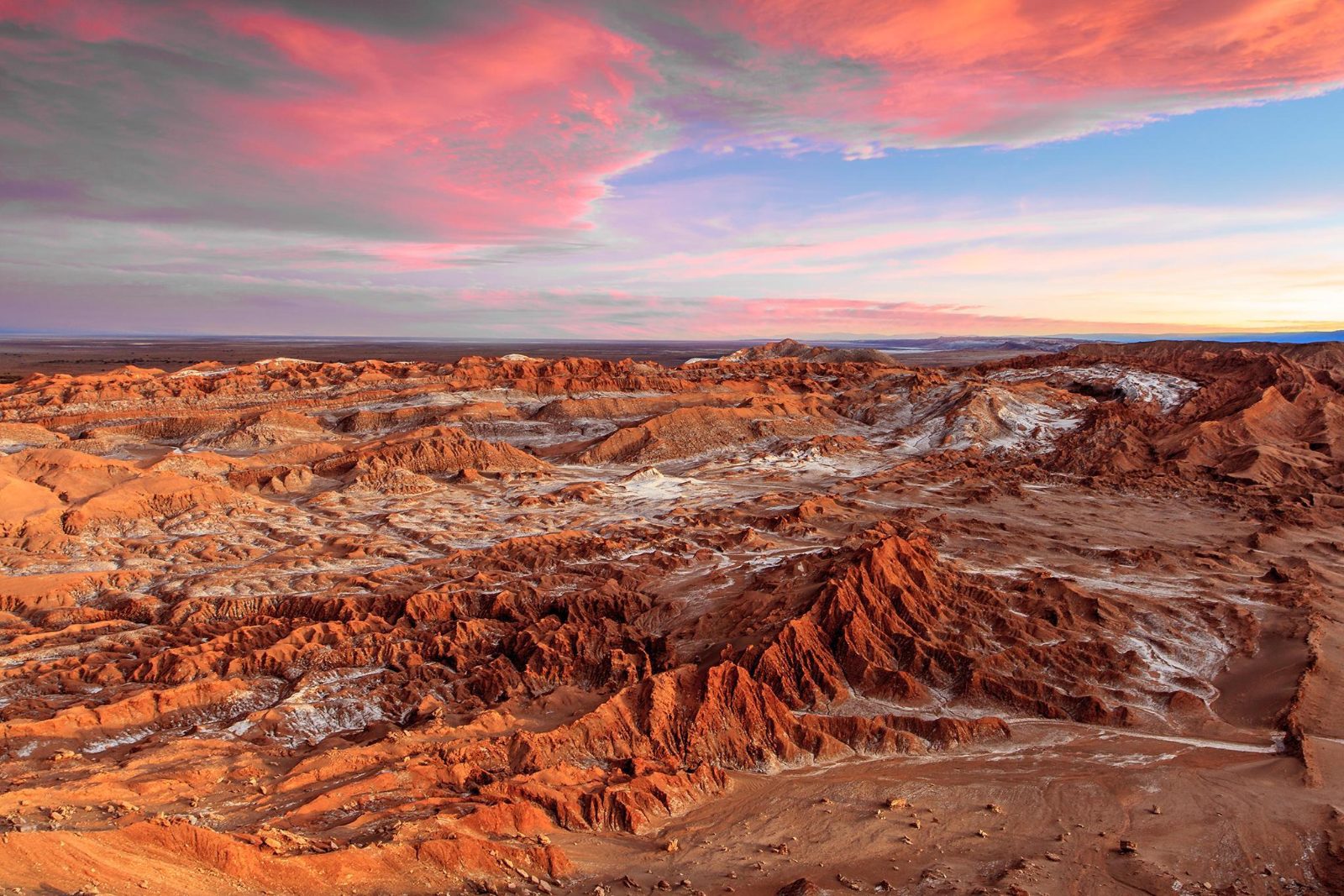
The Atacama receives less than 15 millimeters of rain per year, making it the driest non-polar desert on Earth. That aridity has carved a landscape where salt crusts crack into geometric plates, where valleys lose every trace of moisture and take on the texture of another planet, and where the absence of light pollution renders the Milky Way visible to the naked eye with a clarity found almost nowhere else. What to see in the Atacama Desert begins with the Geysers del Tatio, a geothermal field at 4,320 meters where steam columns shoot several meters into the frigid pre-dawn air. The effect is most dramatic between 06:00 and 07:30, before rising temperatures diminish the visible vapor. The site sits 90 kilometers north of San Pedro de Atacama on unpaved roads that climb steadily into the altiplano, a drive that takes two hours under ideal conditions. Valle de la Luna lies just 13 kilometers west of San Pedro and offers sunset views across dunes, salt caves, and ridges that erosion has shaped into jagged crests. The valley floor is composed of sand and salt deposits left by an ancient lake bed, and the rock formations contain high concentrations of gypsum and clay that shift in color as the sun descends. The Salar de Atacama, Chile's largest salt flat at 3,000 square kilometers, stretches southeast of San Pedro and hosts shallow lagoons where three flamingo species feed on brine shrimp and algae. Laguna Chaxa, the most accessible lagoon, lies within the Los Flamencos National Reserve and opens daily. Stargazing tours depart nightly from San Pedro to sites with zero ambient light, where telescopes reveal nebulae, star clusters, and the Magellanic Clouds. Atacama desert sights cluster within a 100-kilometer radius of San Pedro, but each requires specific timing: geysers demand early departure, salt flats favor midday light, lunar valleys reward late-afternoon visits, and astronomical observation begins only after full dark. Altitude poses the chief physical challenge. San Pedro sits at 2,400 meters, but excursions to the geysers and high-altitude lagoons exceed 4,000 meters, where oxygen saturation drops and exertion intensifies symptoms of soroche. Acclimatization over 24 to 48 hours reduces risk, as does hydration and avoiding alcohol upon arrival.
“The Atacama receives less than 15 millimeters of rain per year, making it the driest non-polar desert on Earth.”
The Best Time and Weather to See What to See in the Atacama Desert
The most favorable window for visiting the Atacama Desert is during the shoulder seasons of April to June and September to November. These months offer a balance of manageable daytime temperatures and clearer night skies for stargazing.
April–June
Moderate crowdsDry, 15°C to 22°C daytime
Mild weather facilitates long-distance exploration and stargazing.
July–August
High crowdsCold, 10°C to 18°C daytime
Expect freezing nights and significant temperature drops.
September–November
Moderate crowdsDry, 18°C to 25°C daytime
Warming temperatures create comfortable conditions for desert trekking.
December–March
High crowdsHot, 20°C to 28°C daytime
Known as the Altiplanic winter, bringing potential rain and humidity.
Verdict: April to June or September to November provides the most stable weather and comfortable temperature ranges for desert activities.
Natural Wonders: What to See in the Atacama Desert
The Atacama Desert features diverse geological formations ranging from high-altitude geothermal fields to expansive salt crusts. These natural sites define the landscape of northern Chile.
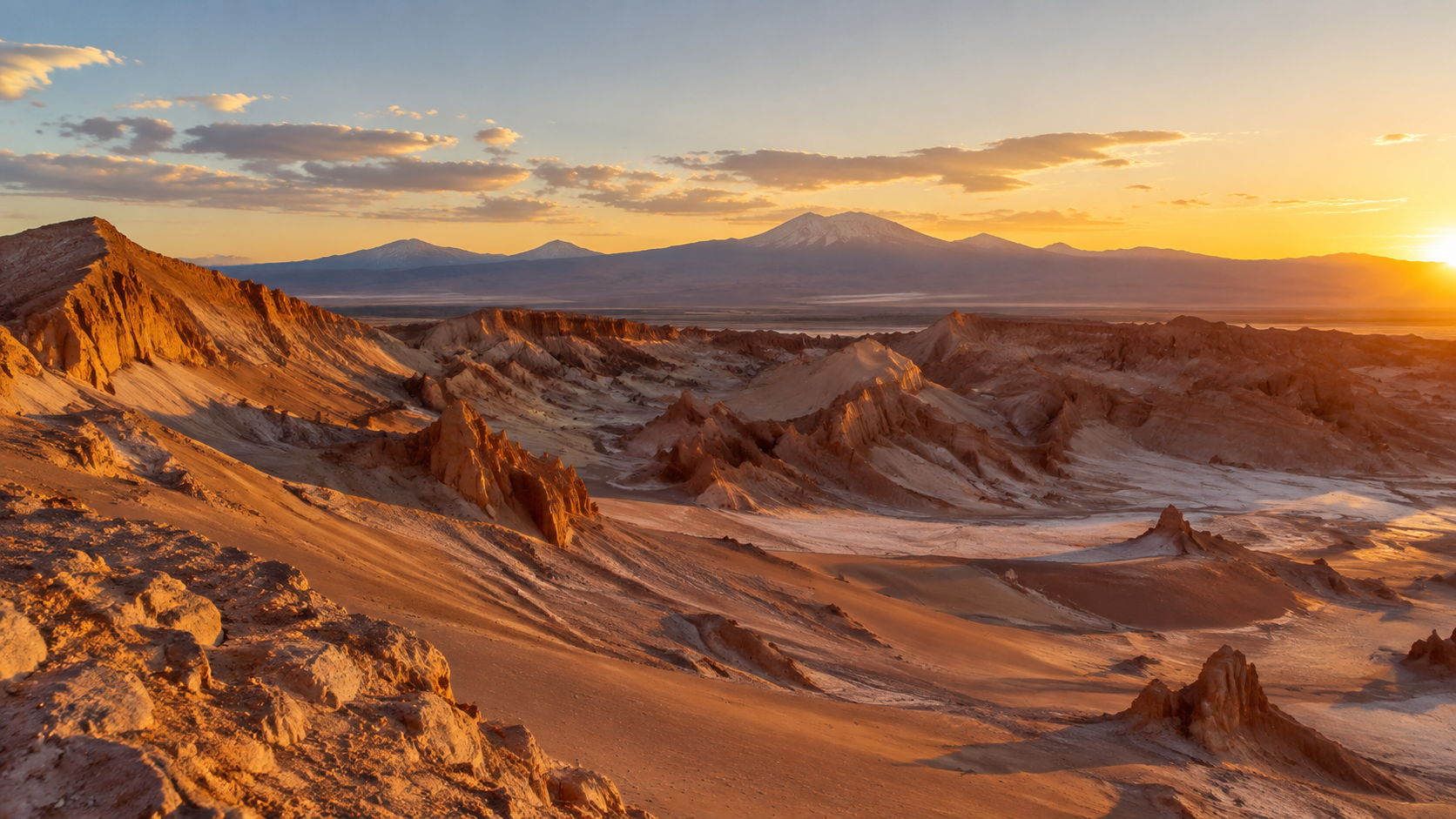
Valle de la Luna
A depression characterized by stone and sand formations shaped by wind and water erosion over millennia. The area offers panoramic views of the Andes from the Duna Mayor.
Visit during late afternoon to watch the rock colors shift.
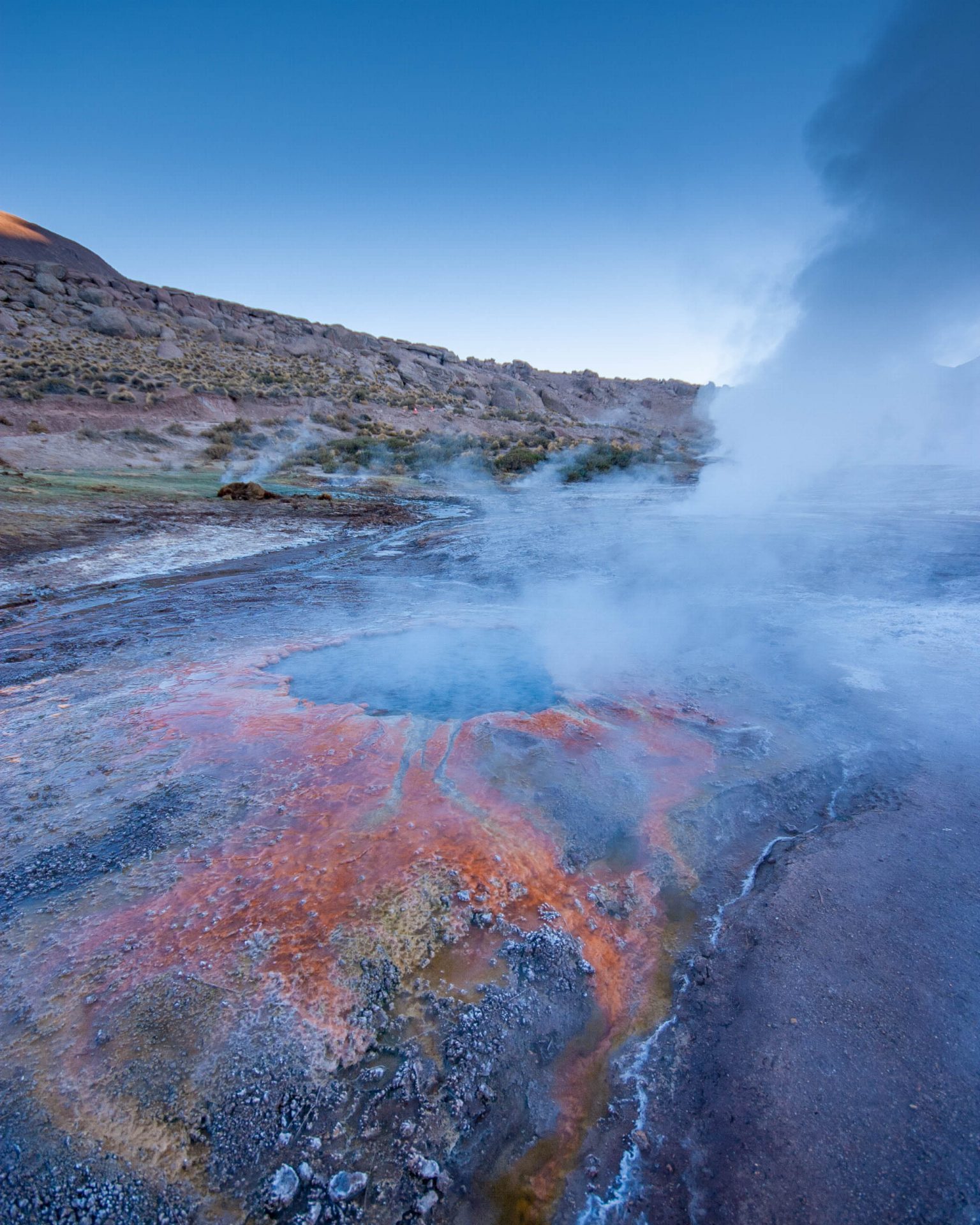
Tatio Geysers
A geothermal field situated at 4,320 meters above sea level containing over 80 active geysers. It represents one of the largest groups of geysers in the southern hemisphere.
Walk the marked paths to avoid high-temperature ground areas.
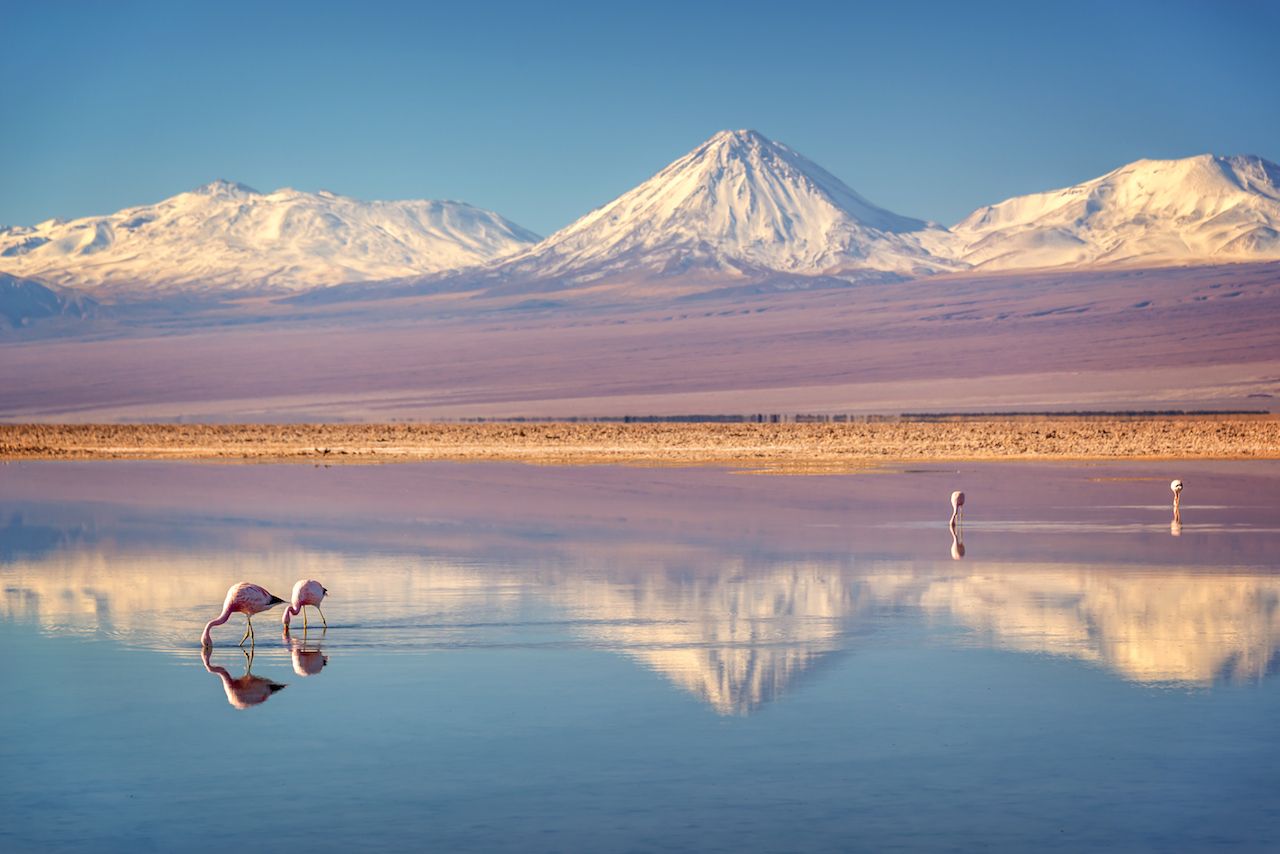
Salar de Atacama
The largest salt flat in Chile, covering over 3,000 square kilometers and home to significant lithium deposits. The surface consists of a rugged, salt-crusted terrain with lagoons supporting Andean flamingos.
Observe the salt crust texture from the designated observation boardwalks.
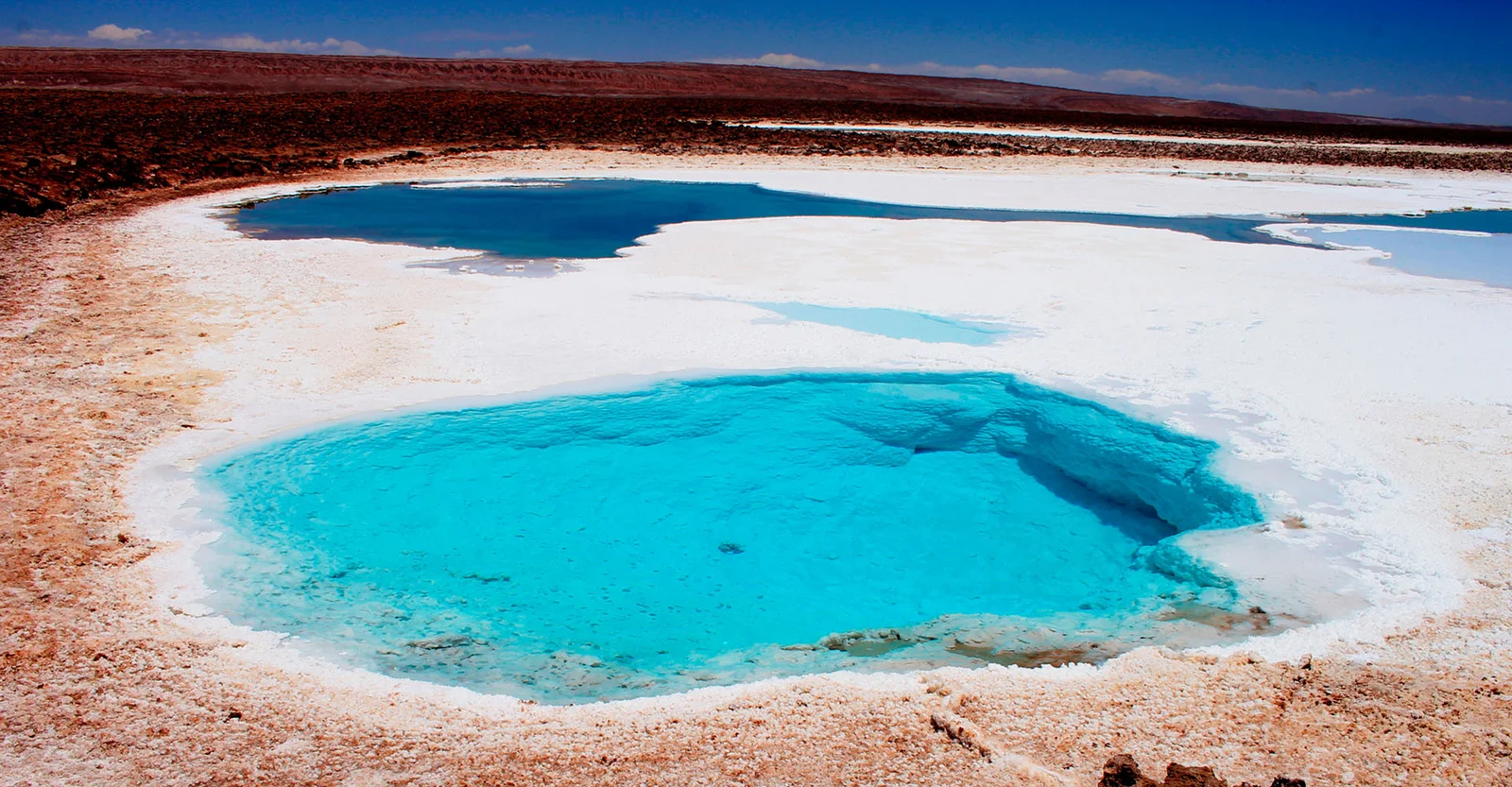
Lagunas Escondidas de Baltinache
A series of seven salt lagoons located near the Cordillera de la Sal, known for their high salt concentration. The buoyancy allows visitors to float easily on the surface of the water.
Bring a towel and change of clothes for post-dip rinsing.
Opening Hours for What to See in the Atacama Desert
The Geyseres del Tatio are open daily throughout the week for visitor access.
| Monday | 06:00–16:00 | |
|---|---|---|
| Tuesday | 06:00–16:00 | |
| Wednesday | 06:00–16:00 | |
| Thursday | 06:00–16:00 | |
| Friday | 06:00–16:00 | |
| Saturday | 06:00–16:00 | |
| Sunday | 06:00–16:00 |
Transportation Logistics: What to See in the Atacama Desert
Most desert attractions are located in remote areas requiring travel from San Pedro de Atacama. Using a 4x4 vehicle or a local tour operator is the standard approach for navigating the unpaved terrain.
Route B-245 to Geiseres del Tatio
San Pedro de Atacama to El Tatio field
Route 23 to Laguna Miscanti
San Pedro de Atacama to Valle de la Luna
Essential Gear to See What to See in the Atacama Desert
The Atacama's extreme altitude and desert climate demand specific gear to stay safe and comfortable.
-
Pack high-SPF sunscreen and a wide-brimmed hat — UV intensity at 4,000+ meters can cause burns in under 15 minutes.
-
Bring insulated layers and a windproof jacket — Pre-dawn temperatures at geothermal sites drop below freezing before sunrise.
-
Carry at least 2 liters of water per person — High altitude and dry air accelerate dehydration, especially during morning hikes.
-
Wear sturdy closed-toe shoes with ankle support — Volcanic terrain includes loose gravel, sharp rocks, and uneven geothermal formations.
-
Bring cash in Chilean pesos for entrance fees — The 15,000 CLP entry fee at sites like El Tatio is cash-only with no card facilities.
-
Pack a headlamp or flashlight with fresh batteries — Pre-dawn departures to catch sunrise steam columns require navigation in complete darkness.
Check availability
Frequently asked questions about what to see in the Atacama Desert
Everything you need to know about what to see in the atacama desert